



Summary
Looking for ways to lower your heating costs this winter? This guide shares 10 practical tips to improve your home’s energy efficiency, from scheduling a home energy audit and maintaining your heating system to upgrading to a high-efficiency heat pump. These simple strategies can help reduce energy use, improve comfort, and save money throughout the colder months.
10 Ways to Reduce Your Heating Bill This Winter
On cold winter days, you will most likely prefer to stay indoors, warm and cozy. Of course, you can only realize this by increasing the temperature throughout your home and maintaining the comfortable warmth through the winter. The sad part is that your heating bill will increase in the process.
Home heating is one of the utility expenses that may get out of hand fast. But you don’t have to shiver the nights away to limit paying high utility bills. Here are some effective ways to reduce your heating bill this winter.
Consider an Energy Audit
A home energy audit will go a long way in reducing your heating bill. It will show you where your home loses heat. Consequently, you will find a perfect way to address them. In most cases, you can do this all by yourself, but hiring a professional will deliver better and more accurate results.
Invest in a Heat Pump
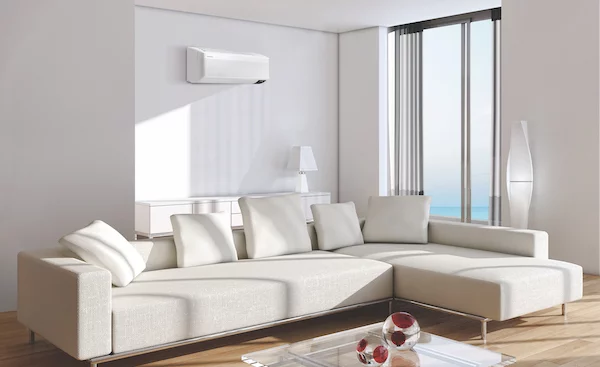
Heat Pumps are energy efficient and have been proven to reduce heating bills by up to 50% as they convert energy to heat instead of making heat like a standard electrical or oil/gas furnace. In addition, with a mini-split ductless heat pump system, you can also reduce the temperature by zone, such as your living room at night or when away from home for extended periods of time.
Replace Your HVAC System
Not surprisingly, advancements in technology have increased efficiencies, and an older heating system will be less efficient. Reduce your heating bills by replacing the system with a high-efficiency model. The initial cost may seem high, but you will save on your heating bill, allowing it to pay for itself in no time.
Humidifier
Another low-cost way to reduce the heating bill is using a humidifier. By purchasing a small humidifier, it may improve the comfort level in your room. Since humid air feels warmer, it may limit the need to turn up the heat in your home.
Service Your Heating System
A proactive approach to ensuring efficiency in your system is to maintain regular servicing, which helps keep heating expenses low. A regularly maintained unit will reduce the hassles of frequent heating, saving you money in the end. At best, consider an annual tune-up to ensure the unit works optimally. You should also consider a regular inspection. This will help catch small issues early and fix them on time.
Change Filters
Your filter is designed to trap dust and other particles; the more dust in your filter, the less heating efficiency you experience, as less airflow passes through. It is recommended that you replace filters before winter temperatures and clean them regularly in between. If you have pets, you may consider replacing or cleaning your filters as often as every 3 months.
Adjust the Thermostat on Your Furnace
If you have a furnace, not a heat pump, lowering the thermostat will dramatically lower your bills. Set a timer which turns the furnace down when you don’t need it. You can do this during sleeping hours, before leaving the house, and when heat isn’t necessary. It’s also a good idea to have a furnace repair and maintenance check done regularly to ensure the appliances are in good working order. Proper inspection and maintenance of your furnace, along with good heating oil, could prove essential to saving a good amount on your electricity bills.
Go Smart with the Thermostat
Investing in a smart thermostat option will allow the device to adjust the temperature for you. The best part is that you can control the thermostat from anywhere, anytime with its Wi-Fi option. If you travel or are away from home for extended periods, you can easily turn the heat back on before you return.
Insulate Your Walls and Roof
Heat loss in your house will force you to spend more on frequent heating. But by adding insulation to the walls or roof of your house, you may lower heating costs. This is because insulation reduces heat loss. Insulation is yet another project you should leave for professionals. They will know the amount of insulation you need based on your location. Besides allowing heat to stay inside the house, insulation can also help prevent ice dams on your roof and gutters by keeping snow on your roof from melting due to heat. While regular gutter cleaning, ideally done by experts, can help prevent ice dams and other roof/gutter issues, attic and roof insulation also plays a big part.
Free Options
You can reduce your heating bills in several other ways without paying anything. Some of them include closing the door on unused rooms. You may also consider using ceiling fans to circulate warmth, or rearranging your furniture. All these will keep your space warm while reducing the demand on your heating system.
Bottom Line
Indeed, all the above methods will reduce your heating bills. Yet, some of them will deliver better results and a higher level of comfort. For example, investing in a heat pump and replacing your HVAC system have long-term benefits beyond reducing costs. If you are thinking of upgrading your system, please get in touch with us to book a no-obligation in-home heat pump estimate.
Frequently Asked Questions
What is the easiest way to reduce my heating bill?
Regularly switching to a heat pump, servicing your heating system, replacing dirty air filters, and sealing drafts are some of the easiest ways to lower heating costs.
Can a heat pump really lower my heating costs?
Yes. Modern heat pumps are significantly more energy efficient than many traditional heating systems and can reduce heating costs while providing reliable winter comfort.
How often should I service my heating system?
It’s recommended to have your heating system professionally serviced once a year to maintain efficiency, improve reliability, and help prevent costly repairs.
Does insulation make a difference in heating costs?
Absolutely. Proper insulation in your walls and attic helps keep warm air inside your home, reducing heat loss and allowing your heating system to work more efficiently.
Is a smart thermostat worth installing?
Yes. A smart thermostat can automatically adjust your home’s temperature based on your schedule, helping reduce unnecessary energy use and lower your monthly heating bills.