



Summary
Properly designed and installed air ducts are essential for getting the best performance from a ducted heat pump system. From duct sizing and airflow to insulation and sealing, quality ductwork improves comfort, energy efficiency, and system lifespan while ensuring even heating and cooling throughout your home.
Installing Air Ducts for Your Heat Pump? Here is Everything You Need to Know
Today, homeowners are in the market for smarter, more efficient heating and cooling systems. With the added rebate incentives from BC Hydro, new home heating and cooling systems are more affordable than ever.
Air source heat pumps outperform other forms of heating, such as propane, oil, electric baseboard, electric forced air, and natural gas, in terms of energy consumption, environmental impact, and comfort. This is primarily because heat pumps do not create heat by burning fossil fuel or by heating elements; they merely transfer heat from one area to another.
How an Air Source Heat Pump Works
An air source heat pump works on the principle of heat transfer. This means that hot or cool air is being circulated from one place to another. Typically, air is moved from a lower-temperature area to a higher-temperature area. For example, in the winter months, a heat pump takes heat from outside (lower temperature) and moves it inside (higher temperature). A heat pump system is run 100% on electricity; therefore, it does not generate any heat from fuel. This operational principle allows for efficient heating and cooling at a significantly lower energy cost.
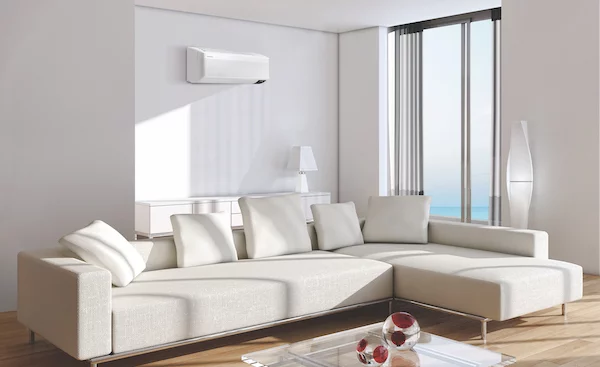
An air source heat pump (ASHP) 9(DUCTED) distributes conditioned air using a fan and an air duct system. There are also ductless heat pumps (DHP) that do not require ducting and are best suited for open spaces.
Difference Between Supply Air and Return Air
The difference between supply air and return air is simply the direction of the air flow. Supply air is conditioned air from your ASHP that moves through the ductwork into your room. This air comes from your air handler and supplies your room with clean, comfortable air.
On the other hand, return air is the air being circulated out of, or returned from, conditioned space back to the air-handling unit to be reconditioned and recirculated to your room through the return vents, and carried to your air handler to be filtered and conditioned. Air must circulate evenly within your conditioned space. An imbalance between the supply air and return air is likely to cause you discomfort.
No Need to Worry: 5 Quick Steps to Install Air Ducts for Your Heat Pump
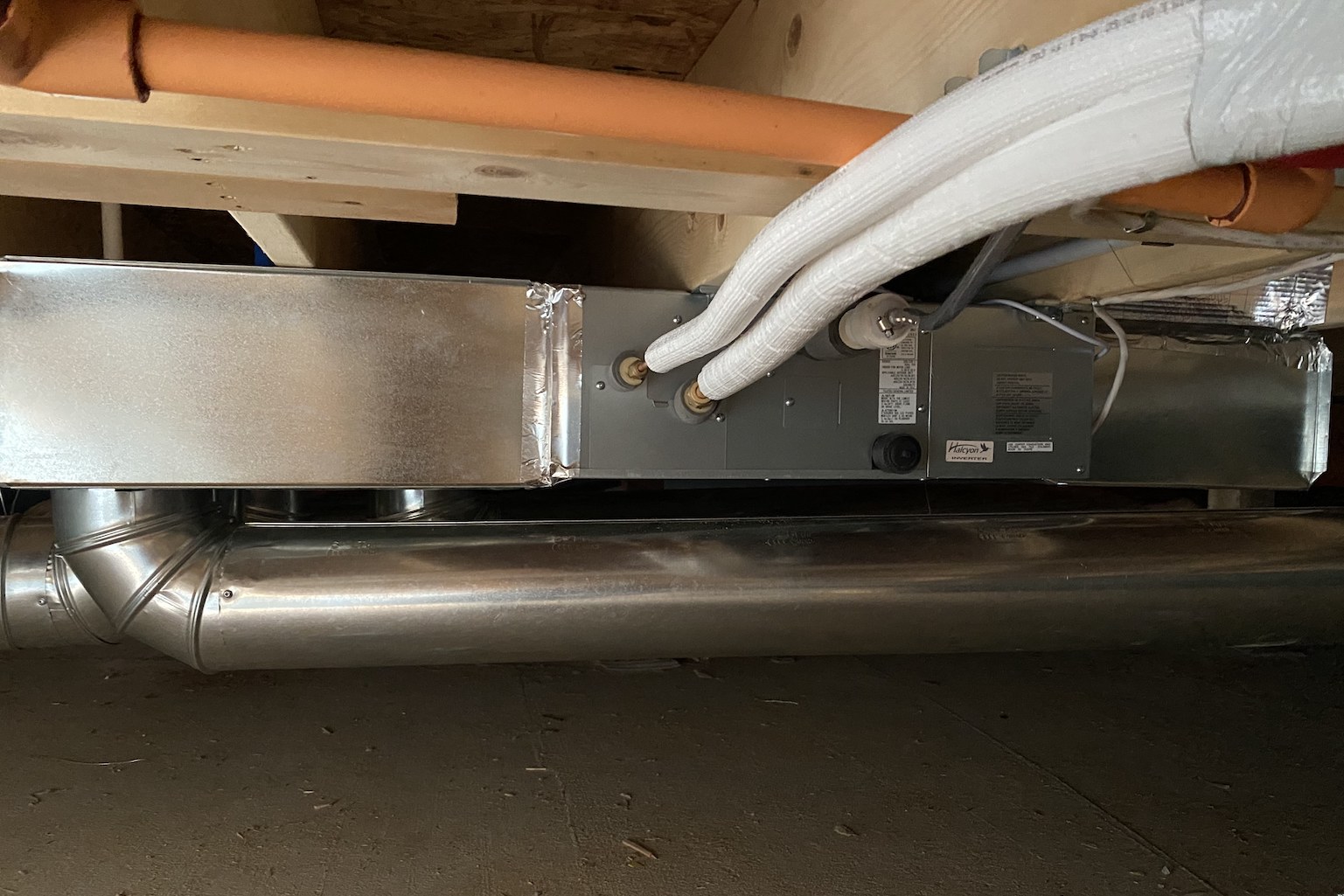
Air ducts help move air from your indoor unit (often called an air handler) throughout your home. Proper installation of ducts is critical for efficient air circulation through your home to provide you with optimum comfort. Properly sized and installed ductwork also adds to the longevity of the equipment.
Installation of air ducts should be done by a qualified professional who has a sound understanding of air distribution and system design, and is keen to ensure your HVAC (heating, ventilating, and air conditioning) system functions appropriately.
Here is a quick overview of the process of air duct installation:
Step 1: Design and Planning
The preparation phase is the most critical. It involves mapping out the plan of your system and covers aspects like:
- the location of the supply and return vents
- understanding how it will condition each room
- understanding your existing system, and utilizing the ductwork that is already installed where possible
Step 2: Installing the Plenum
The plenum is the core of your system’s operation. This is where air collects straight from your unit, and the main trunk lines also stem from it.
Step 3: Installing the Main Trunk Line
The trunk line is crucial and is regarded as the ‘spinal column’ of your air source heat pump system. They are the main channels of air distribution and extend the entire length of your structure.
Step 4: Installing Branch Runs
The branch runs are equivalent to limbs or branches of your system. They allow air to be supplied from the main trunk line into specific rooms and spaces in your home.
Make sure to use the correct joints depending on the material and shape of duct pipes.
Step 5: Installing Returns
If you only pumped air into a room without letting out an equivalent volume of air, then your previous hard work is reduced to almost naught. Therefore, it is prudent to set up return vents and pipes that channel the excess air out, which, in turn, allows proper air circulation.
The number of return vents your home will need, and the best place to install them, will depend on your home’s setup and where air is likely to collect.
Save Yourself the Hassle
Needless to say, it is tedious work to install your air ducts yourself. Whether it is a new home for your loved ones, an extra room, or renovating your home, it is heavy lifting and even harder if you don’t have a professional hand or an expert team behind you.
The costs and risks far outweigh the benefits. Book an in-home estimate; we are more than happy to offer professional assistance. Our team will stop at nothing to ensure your home is comfortable, and we stand behind our comfort guarantee.
Frequently Asked Questions
Does every heat pump require air ducts?
No. Ducted heat pumps use ductwork to distribute air throughout the home, while ductless heat pumps deliver heating and cooling directly through indoor wall-mounted units.
Can I use my existing ductwork with a new heat pump?
In many cases, yes. A professional inspection can determine whether your existing ducts are properly sized, sealed, and in good condition for a new heat pump.
Why is proper duct installation important?
Well-designed ductwork ensures balanced airflow, maximizes energy efficiency, improves comfort, and helps your heat pump operate at peak performance.
What are the signs that ductwork needs to be repaired or replaced?
Uneven temperatures, poor airflow, excessive dust, high energy bills, or noisy ducts may indicate that your ductwork needs attention.
Should I choose a ducted or ductless heat pump?
It depends on your home. Ducted systems are ideal for homes with existing ductwork or whole-home comfort, while ductless systems are a great option for homes without ducts, additions, condos, or room-by-room heating and cooling.