




Summary
Installing a heat pump in a condo requires more than choosing the right system; it also means obtaining strata approval. This guide walks homeowners through the approval process, including reviewing strata bylaws, preparing documentation, working with an experienced contractor, and ensuring the installation complies with building and municipal requirements for a smooth approval process.
Process to Obtain Strata Approval to Install an Air Source Heat Pump in Your Condo
Most condo owners are now choosing heat pumps as an alternative heating and cooling source due to their size, comfort, and energy efficiency. Heat pumps are a great investment, especially during the summer months. If you live in a strata-operated building, there may be a process to follow to apply for strata approval. Here’s all you need to know about heat pumps, including tips to help you get strata approval for your heat pump installation.
What’s a Heat Pump, and How Do Heat Pumps Work?
An air source heat pump is proven technology that is electrically driven to move the heat in the air from one place to another. For example, in the heat of the summer months, a heat pump transfers the heat in your living space to the outside, allowing you a cool, comfortable indoor climate. The reverse can be done in the cool winter months, when the warmth of the outside air is transferred to your indoor space, providing you a cozy indoor comfort level. Heat pump systems typically use a small amount of energy to move heat from one location to the other, providing uniform and consistent heating.
There are several brands of heat pumps, all of which pull heat from a relatively low-temperature area and pump it into higher-temperature areas. This is also known as the heat transfer principle. Rather than burning fuel to produce heat, a heat pump moves heat from one place to another. In thermodynamics, heat flows from an area of high temperatures to an area of low temperatures – a process that heat pumps take advantage of by reversing. This results in heating and cooling.
Key Benefits of Heat Pumps
Heat pumps offer more than in-home heating and cooling. There are many benefits of having a heat pump, which include:
- Great energy efficiency ratings make them the most cost-effective form of heating with electricity.
- Improves your home’s indoor air quality by circulating and mixing inside and outside air.
- Prevents condensation buildup during summer months, as the room is naturally dehumidified during the air circulation process of a heat pump.
- Offers consistent/uniform temperature control year-round, which creates a more comfortable ambiance in the house.
- Ability to heat or cool your home in varying temperatures in different zones of your home, which offers you optimal comfort.
- Heat pumps can substantially lower the carbon footprint of your home, as they do not directly utilize combustion to generate heat.
How a Heat Pump Is Installed in a Condo
A heat pump is a great solution for a condo; in fact, it could be an excellent option for your condo in terms of comfort and energy efficiency.
Most condo associations have policies in place when it comes to renovating or installing new appliances or essential systems such as a heat pump/air conditioning system. These require you to apply for approval or request permission from the building’s strata prior to ordering your heat pump equipment. In rare cases, there may be permits required. The strata can advise you of their policy and requirements for your application.
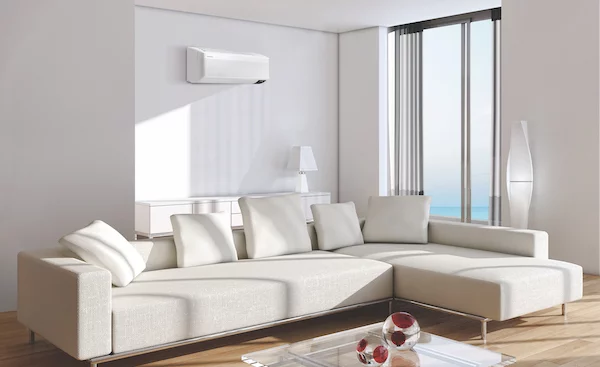
For a heat pump installation in a condo, there are two main components that will need to be installed. These are the indoor and outdoor units. An outdoor unit is usually installed on a patio or a balcony within 1 foot of the building itself and requires approx. 2×3’ of space. On the other hand, an indoor heat pump unit, also called a wall head, is ideally installed on the other side of the wall from where the outdoor unit is located. The indoor and outdoor units are connected by refrigerant lines and electrical connections, which are all contained in 1 casing called Fortress. The fortress is run on the exterior of the building between the indoor and outdoor units.
Tips on How to Get Approval from Strata to Install a Heat Pump
Are you unsure of how to get strata approval to begin your heat pump installation process? The following tips will help you get strata approval to install a heat pump.
Comply With the Building or Strata By-laws Around Air Conditioning
Most strata-run buildings have policies which must be followed, so it is important to educate yourself about these policies. Some of the details of installation that might be of concern to a strata include:
Penetration through the building envelope:
- For each heat pump, condensate lines, refrigeration lines, and the communication wires between the indoor and outdoor unit should penetrate an approx. 3″ hole.
- Electric power wire running from an electrical panel or any other source to power the outdoor heat pump should penetrate an approx. ½” hole.
- All the building envelope’s penetrations should be insulated and well-sealed to ensure weather tightness.
Noise levels of a heat pump:
A heat pump does generate some noise from fans and compressors. Still, the inverter technology allows the fans and compressors to run at lower speeds to maintain a steady, consistent indoor temperature 24/7. The inverter technology, therefore, makes them less noisy than many other home appliances.
- Maximum exterior noise from an outdoor heat pump will range between 46 dB and 45 dB, depending on the chosen system. A heat pump system often operates at or below half of the given dB ratings.
- Maximum interior noise from indoor ductless wall heads ranges from 38 dB to 45 dB, depending on the system. However, the operator can control indoor noise because ductless wall heads come with variable fan speed levels and can operate as low as 20db.
Condensate drainage:
All condensate from indoor and outdoor heat pump units is drained to the building’s exterior to such areas as a downspout, garden bed, or patio.
Get All Your Documents Together
Once you have a full understanding of your strata’s policies/bylaws, you can now gather all the necessary documents required and submit a request to your strata for the Installation of a new heat pump. You’ll need to include all of the documents detailing your proposed unit’s components, technical specifications, and where you want to place the unit.
Obtaining the strata approval to install a heat pump in your condo is quite simple if you are aware of the strata by-laws. An integral part of getting the approval is knowing that you must ensure that the heat pump unit you want to install meets all requirements. As a condo owner, it’s your responsibility to ensure that your unit is placed appropriately, the water/condensate drains properly, it operates quietly so as not to disturb other owners, and an insured, licensed contractor installs it.
Are you interested in installing a heat pump in your condo? Coastal Heat Pumps promises to make your Installation as smooth a process as possible. Contact us today and let our experts help you switch to a sustainable, energy-efficient heating/cooling system.
Frequently Asked Questions
Do I need strata approval to install a heat pump in my condo?
Yes. Most strata corporations require written approval before any exterior or common property modifications, including installing an air-source heat pump.
What documents are typically required for strata approval?
You may need installation plans, equipment specifications, site drawings, noise information, contractor credentials, and proof of insurance, depending on your strata’s requirements.
How can a heat pump contractor help with the approval process?
An experienced contractor can provide the technical documentation, equipment details, installation plans, and guidance needed to help your strata review and approve the project.
How long does the strata approval process take?
Approval timelines vary depending on the strata council’s meeting schedule and review process. Starting early and submitting complete documentation can help avoid delays.
What should I consider before choosing a heat pump for my condo?
Choose a system that meets your building’s noise requirements, space limitations, and strata bylaws, and work with a contractor experienced in condo and strata heat pump installations.