


Summary
A single-zone heat pump heats and cools one area, making it a good fit for a room or open space that needs better comfort. A multi-zone system connects several indoor units to one outdoor unit and serves multiple areas with different temperature needs. The best choice depends on your home’s layout, your existing heating system and which rooms you want to heat and cool.
Single-Zone vs. Multi-Zone Heat Pumps: Which Is Right for Your Home?
A heat pump can provide both heating and cooling, but choosing the right system starts with a practical question: Where in your home do you need better comfort? If one room is always too hot or too cold, a single-zone system may be enough. If several areas have different needs, a multi-zone system may be a better fit.
Both options can work well in Vancouver Island homes. The right choice depends on your floor plan, how you use each room, your existing heating system and what you want the heat pump to accomplish.
What Is a Single-Zone Heat Pump?
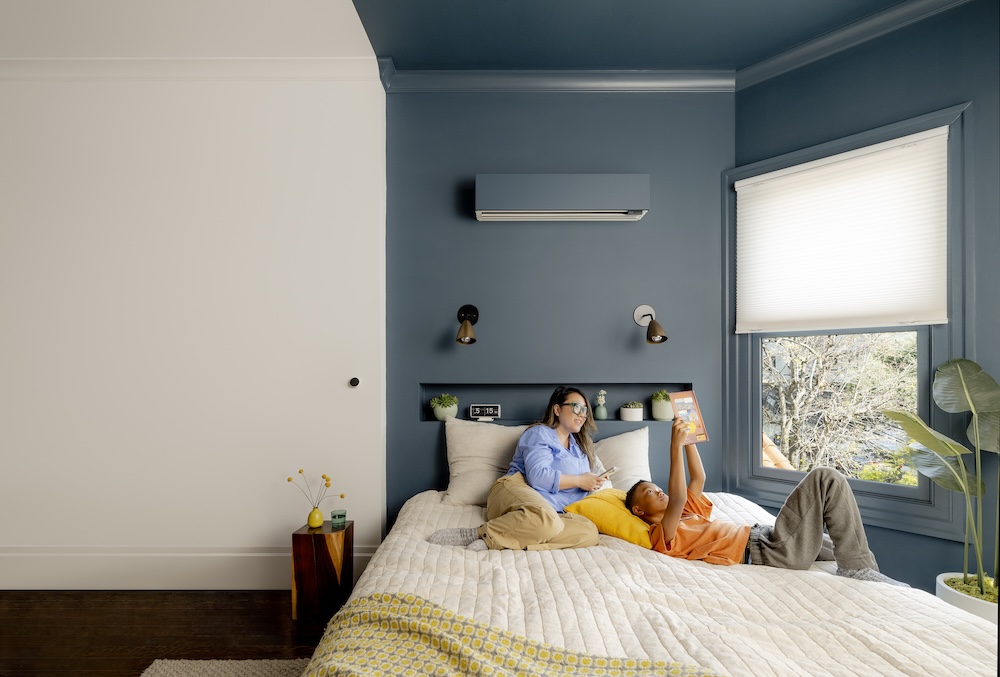
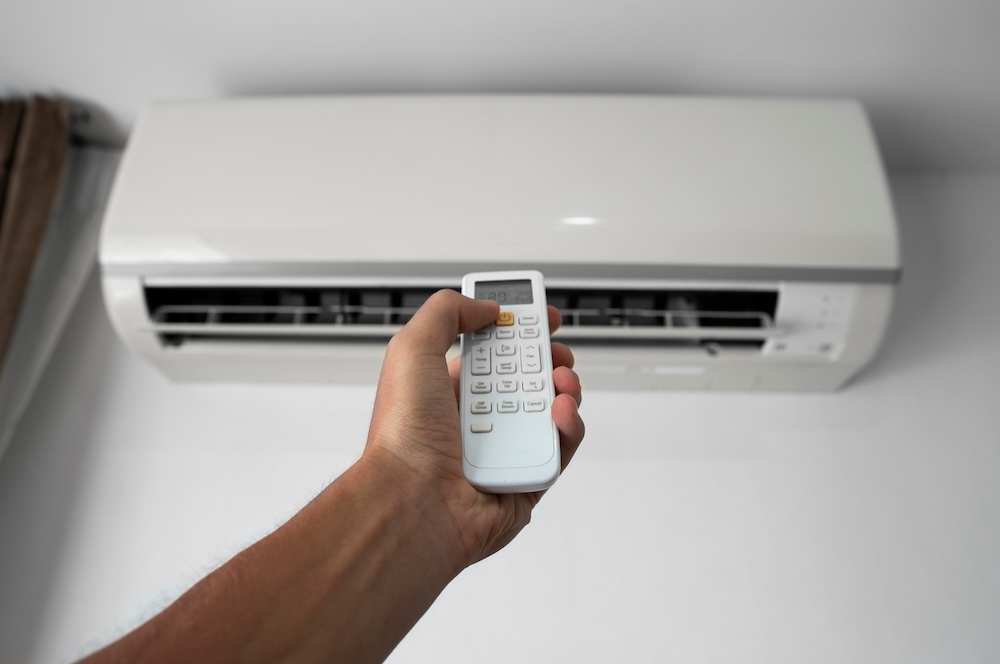
A single-zone heat pump pairs one outdoor unit with one indoor unit, often called a head. That indoor unit heats and cools a particular area, such as a living room, home office, primary bedroom or open-plan main floor. Better Homes BC explains how a mini-split heat pump works.
A single-zone system is a practical choice when you have one clear comfort problem. Perhaps an upstairs bedroom overheats in summer, or an addition stays chilly in winter. A unit serving that space can address the problem without changing how you heat and cool the rest of the house.
One indoor unit may also serve a larger open area if it is properly sized and placed. However, warm or cool air will not necessarily reach rooms around corners or behind closed doors. A unit in the living room should not be expected to keep every bedroom at the same temperature.
What Is a Multi-Zone Heat Pump?
A multi-split heat pump is a multi-zone system that connects two or more indoor units to one outdoor unit. The indoor units serve different rooms or areas, each with its own temperature setting.
For example, one unit might serve the main living area, another an upstairs bedroom and a third a home office. This arrangement gives you more control where comfort needs differ throughout the house.
The indoor units still share the outdoor unit’s heating and cooling capacity. An installer needs to consider how the whole system will perform when multiple areas call for comfort at once. Adding more indoor units without considering those demands does not guarantee better results.
When Is Single-Zone the Better Choice?
A single-zone heat pump may make sense if you want to improve one frequently used space, supplement your existing heating or add cooling to a room that gets especially hot.
Consider a house with electric baseboards and an open living and dining area where the family spends most of its time. A single-zone heat pump could provide heating and cooling in that main area, while the baseboards continue to serve rooms farther away.
It can also be a focused solution for a home office or a finished addition. If most of the house is comfortable and only one area needs attention, you may not need indoor units in several rooms.
The key step is to define the area the heat pump must serve. If your goal is consistent comfort throughout the home, one indoor unit may not reach some rooms.
When Is Multi-Zone the Better Choice?
Consider a multi-zone system when several distinct areas need heating and cooling. This is common in homes with separate floors, closed-off bedrooms or rooms that receive very different amounts of sun.
Imagine a main floor that feels cold in winter while upstairs bedrooms become hot in summer. Placing indoor units in those areas gives each space a more direct source of conditioned air. It also lets household members set temperatures to suit how they use those rooms.
Multi-zone systems can be useful in homes without existing ductwork. Rather than adding ducts throughout the house, an installer can assess where indoor units would provide effective coverage.
How Do Cost and Efficiency Compare?
A single-zone installation usually has a smaller scope: one indoor unit, one outdoor unit and connections between them. A multi-zone installation serves more spaces but involves additional indoor units, longer connections and more planning. The cost of either option depends on the equipment you select, unit placement, electrical requirements, and your home’s conditions.
Neither type is automatically the more efficient choice for every house. A single-zone system can focus on the area you use most. A multi-zone system can serve several areas according to their needs. In both cases, sizing, equipment performance and installation quality affect the result.
Choosing a larger system just to “be safe” isn’t necessarily helpful. Natural Resources Canada advises that heat pump sizing should account for the local climate, a home’s heating and cooling loads, and the installation goals. An oversized system can cycle on and off too often during milder weather, while an undersized system may rely more heavily on supplemental heating.
What If Your Home Already Has Ductwork?
Single-zone and multi-zone ductless systems are not the only options. If your home has usable ductwork, a centrally ducted heat pump may also be worth considering. It distributes heated or cooled air through ducts rather than relying on a separate indoor unit in each area.
The condition and layout of the ducts matter. A ducted system may suit one home well, while a ductless or combined approach may make more sense in another. BC Hydro’s heat pump guide provides a Canadian overview of homeowners’ options.
How to Decide What Is Right for Your Home
Before requesting an estimate, walk through your home and note where comfort falls short. Which rooms are too hot in summer or too cold in winter? Are doors usually open or closed? Does everyone prefer the same temperature? Do you want to supplement your current heating system or serve more of the house?
Ask your installer which spaces each proposed indoor unit will serve, how the system was sized and what heating may still be needed outside those areas. Those answers are more useful than choosing based on the number of indoor units alone.
At Coastal Heat Pumps, we assess your home’s layout and comfort goals before designing a customized system. If you are weighing a single-zone upgrade against a multi-zone solution, book an in-home estimate to find the right fit.
Frequently Asked Questions
What is the difference between a single-zone and multi-zone heat pump?
A single-zone system has one indoor unit connected to one outdoor unit. A multi-zone system connects two or more indoor units to one outdoor unit, allowing it to serve different areas of the home.
Can one single-zone heat pump heat and cool an entire house?
It depends on the home’s size and layout. One indoor unit may serve an open area well, but it may struggle to maintain the same temperature in distant rooms or behind closed doors.
Can I set different temperatures in each room with a multi-zone system?
Yes. Each indoor unit has its own temperature setting. The units share the outdoor unit’s capacity, so proper system sizing remains important.
Is a multi-zone heat pump more efficient than a single-zone system?
Neither is automatically more efficient. Performance depends on how well the equipment is sized, installed and used. The better choice meets your comfort needs without serving unnecessary areas.
How do I know which system is right for my home?
Start by identifying the rooms that need heating or cooling and how you use them. An in-home assessment can determine whether one indoor unit provides enough coverage or whether several zones would work better.