


Summary
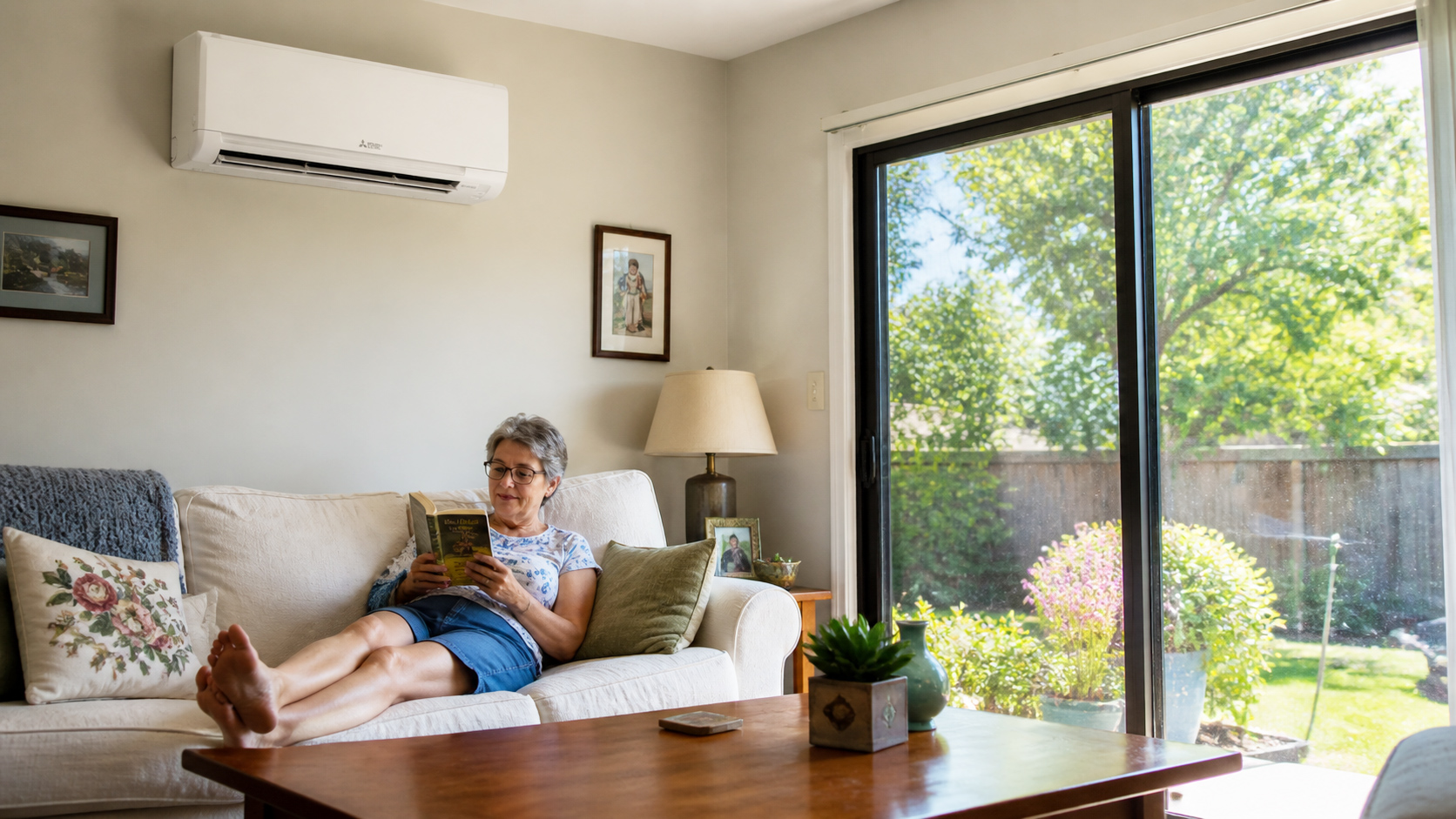
Reducing energy use at home is one of the most effective ways to lower utility bills, improve comfort, and reduce your environmental footprint. From upgrading to a high-efficiency heat pump and improving insulation to adopting simple energy-saving habits, homeowners have many opportunities to cut energy consumption without sacrificing comfort. This guide explores practical strategies to make your home more efficient while delivering long-term savings and year-round comfort.
Easy Ways to Save Energy at Home
While investing in a heat pump is one of the most impactful upgrades you can make, there are many small steps you can take that cost little to nothing and still deliver noticeable savings.
If benefiting the planet isn’t reason enough, you might be happy to know that reducing energy use in your home can also make a serious dent in your monthly utility bills.
1. Unplug Devices When Not in Use
Even when turned off, many appliances and chargers continue to draw small amounts of electricity, a phenomenon known as “phantom load.” Unplugging chargers, TVs, and other electronics when you’re not using them prevents this wasted energy from adding up over time.
2. Turn Off Lights in Empty Rooms
It’s a simple habit, but consistently turning off lights when you leave a room can have a bigger impact than you might think. Over weeks and months, these small savings add up to measurable energy reductions.
3. Switch to a Heat Pump
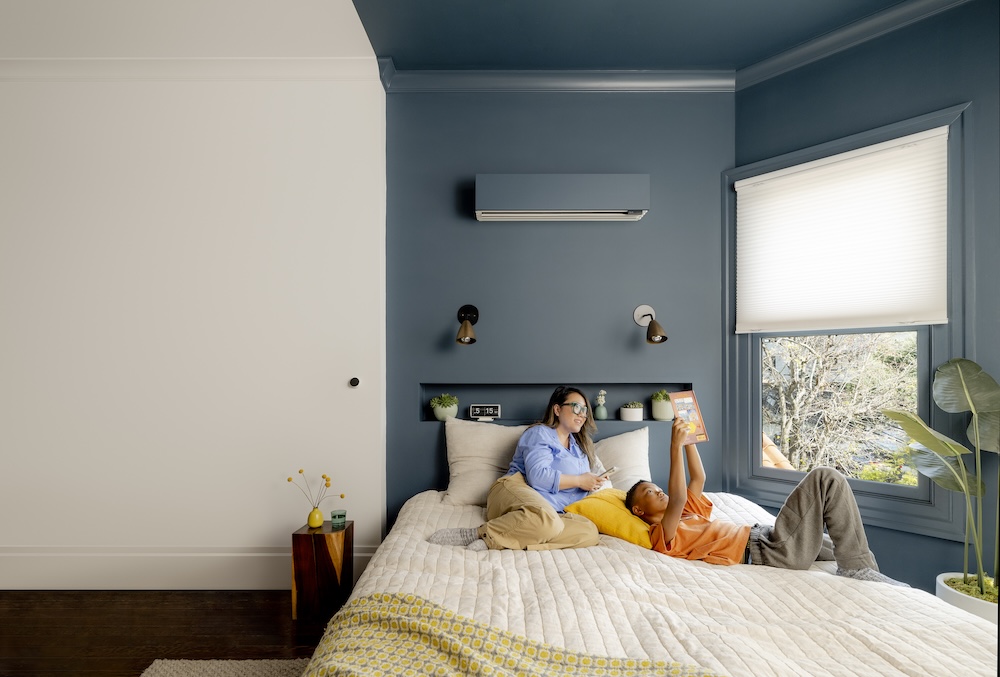
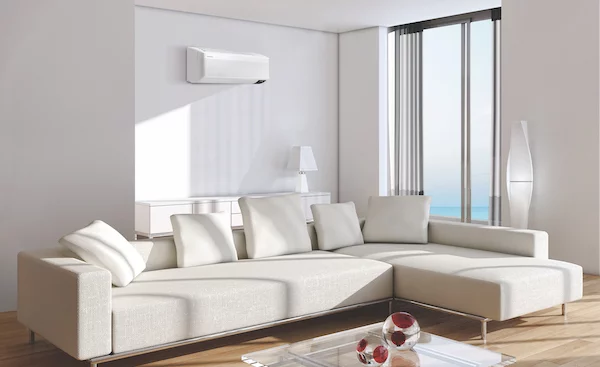
If your home is still using oil or electric baseboard heat, upgrading to a heat pump can deliver major savings. Heat pumps work year-round, providing warmth in the winter, cooling in the summer, and even heating water in some models.
Given Victoria’s mild climate, they’re among the most efficient and cost-effective heating and cooling options available.
4. Keep Your Refrigerator Efficient
Your refrigerator runs 24/7, making it one of your home’s most energy-hungry appliances. Keep door seals tight to prevent cold air from escaping, and avoid running an extra fridge or freezer unless you really need it.
5. Improve Insulation
Even the most efficient system can waste energy if your home isn’t well insulated. Upgrading insulation in your walls, attic, and around windows and doors will help keep warm air in during winter and cool air in during summer.
6. Wash Clothes in Cold Water
Modern detergents are designed to work well in cold water. Washing laundry this way saves energy, reduces carbon emissions, and can even help your clothes last longer.
7. Maintain Your Heating and Cooling System
Whatever heating or cooling system you use, especially a heat pump, regular maintenance ensures it runs at peak efficiency. This helps lower operating costs and prevents expensive repairs down the road.
See our maintenance services for details.
Your Partner for Heat Pumps in Victoria
Whether you’re looking to install a new system, keep your current one running efficiently, or explore ways to cut your home’s energy use, Coastal Heat Pumps can help. We provide heat pumps in Victoria and across South Vancouver Island, including the Cowichan Valley and Saanich Peninsula.
Book an in-home estimate to learn how we can make your home more comfortable, efficient, and environmentally friendly.
Frequently Asked Questions
What are the most effective ways to reduce energy use at home?
Some of the most impactful energy-saving measures include upgrading to a high-efficiency heat pump, improving insulation, sealing air leaks, using LED lighting, and installing a smart thermostat. These upgrades can significantly reduce heating and cooling costs while improving comfort.
How much energy can a heat pump save compared to traditional heating systems?
Heat pumps can use significantly less energy than electric baseboard heaters, oil furnaces, and other conventional heating systems because they transfer heat rather than generate it. Many homeowners experience noticeable reductions in their monthly energy bills after switching to a heat pump.
Does insulation really make a difference in energy consumption?
Yes. Proper insulation helps prevent heat loss during winter and keeps cool air inside during summer. This reduces the workload on your heating and cooling system, leading to lower energy use and improved indoor comfort.
Are smart thermostats worth the investment?
Smart thermostats help optimize heating and cooling schedules based on your daily routine. By reducing unnecessary energy use, they can help lower utility bills while maintaining a comfortable indoor environment.
What are some no-cost ways to reduce energy use at home?
Simple habits such as lowering your thermostat slightly in winter, turning off lights when not in use, unplugging unused electronics, washing clothes in cold water, and regularly cleaning HVAC filters can all help reduce energy consumption and utility costs.