

Summary
Improving your home’s energy efficiency is one of the smartest ways to reduce utility bills, increase comfort, and lower your environmental impact. From upgrading to a high-efficiency heat pump and improving insulation to sealing air leaks and using smart thermostats, small changes can lead to significant long-term savings. This guide highlights practical energy-saving strategies that homeowners can implement to make their homes more comfortable, efficient, and cost-effective year-round.
Tips to Improve Energy Efficiency in Your Home
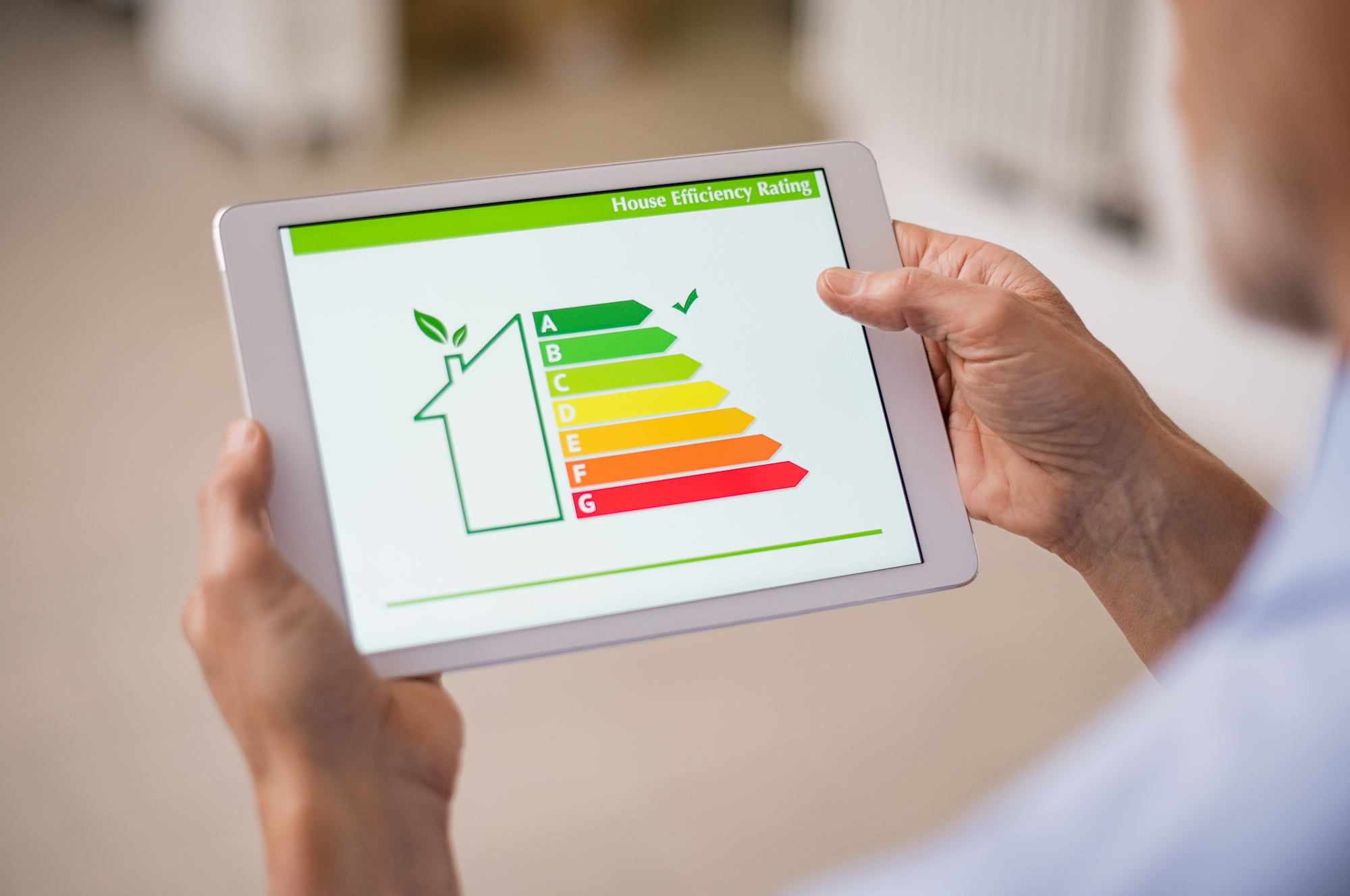
Energy efficiency upgrades such as insulation, air sealing, efficient HVAC systems, and smart controls are among the most effective ways to reduce household energy consumption.
As energy prices continue to rise, your home’s energy efficiency becomes a serious concern. Not only can you improve your household’s sustainability by reducing energy use, but you can also save a bundle on your monthly electricity and/or natural gas bill. Fortunately, there are many ways, big and small, to save energy in the average home.
As heat pump experts, we can provide more than a few tips to use less power and save money in the long term by improving overall energy use throughout your home.
Switch to LED Light Bulbs
Start with the light bulbs. It’s easy and affordable to swap out your incandescent or halogen lightbulbs for LEDs. LEDs are 80% to 95% more energy-efficient than other common household lightbulbs, and they last several times longer. Smart lights are a little pricier but even more energy-efficient.
Caulk Windows and Weatherstrip Doors
Better insulating your house can reduce the need to constantly run your cooling or heating system because your home will retain the desired temperature more easily. In addition to checking the roof, attic, and wall insulation, it’s easiest for homeowners to address the doors and windows.
Swap out the old weatherstripping on your doors and apply a little silicone sealant using a calk gun to the edges of all your windows.
Choose Energy Star Appliances
If you are upgrading your appliances, always use Energy Star-rated machines that have been proven to use the minimum amount of electricity. Efficient large appliances will make a big difference in your power bill every time you wash a load of laundry or dishes.
Prevent Phantom Load Power Use
Phantom load refers to appliances that continue to use power when they are switched off, asleep, or in standby mode. Phone chargers without the phone, smart lamps and small appliances waiting for a command, and sometimes just everyday items plugged in, will continue to draw power.
Use smart power strips to easily switch off individual or groups of appliances to reduce the cost of phantom load in your house.
Practice Water Conservation
Minimize unnecessary water use in your home. When you run the hot water in the sink, collect it to water your plants or use it for washing later. Plants also love pasta water, which is rich in starchy nutrients.
Make sure to fully load your dishwasher and to set your washing machine to the correct water level for each load. You can also install faucets and showerheads that spread water to use less water while maintaining the same experience and cleaning power.
Put a Blanket on the Water Heater
Insulating your water heater is a great way to save energy. Tank-based water heaters maintain a large water tank at a constant temperature through heating cycles. However, if the water inside stays hot longer because of the tank’s insulation, fewer heating cycles are needed.
You should also flush and descale the heating elements of your water heater once a year, especially if your home has noticeably hard (mineral-rich) water with water spots.
Alternatively, you can switch to an on-demand / tankless water heater, which heats water on demand and does not maintain a tank of hot water through heating cycles.
Shade Windows with Awnings and Curtains
You can reduce the sun’s heating on your home with a few window treatments. Awnings on the outside (or even shade trees) and the right curtains on the inside will help prevent the sun from warming up your rooms, minimizing the amount of AC power you need to stay cool.
Utilize Solar Power
A little solar power can go a long way, depending on how you use it. You can install solar on the roof for net metering, or independently power a few outdoor outlets with a battery-and-inverter setup. Even if solar is not permitted in your neighbourhood, you can set up solar battery chargers on your sunny windowsills or a few panels on the back porch to power outdoor lights and small appliances.
Switch Your HVAC to a Heat Pump
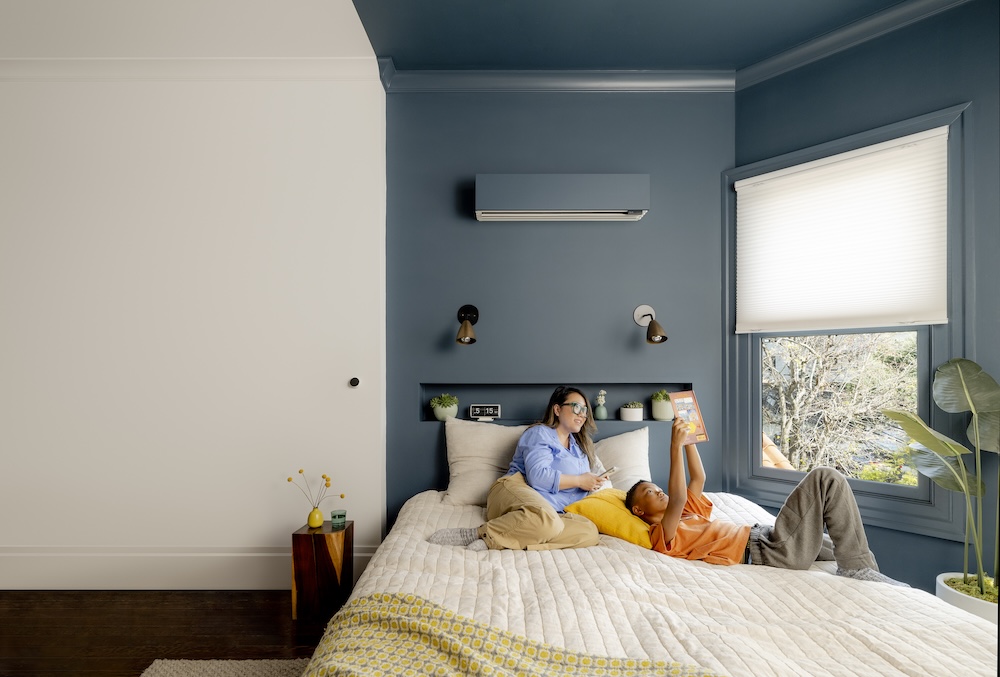
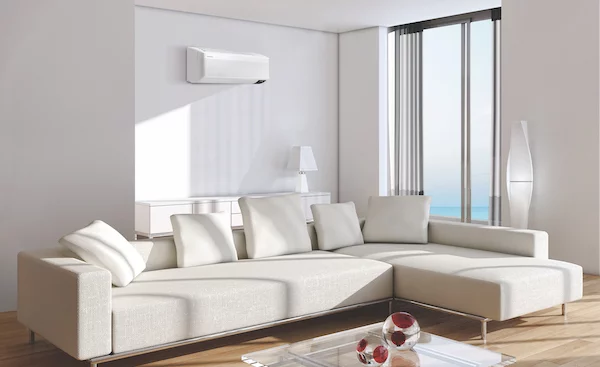
If you’re considering upgrading your HVAC system for better performance and energy efficiency, a heat pump is your ideal option. Unlike traditional systems, heat pumps can provide heating and cooling using far less energy than a typical AC or electric furnace. Heat pumps can be set up to provide central air or comfort zones, depending on your home’s existing ventilation design, and will help improve your household’s overall energy efficiency each season.
If you are interested in exploring your options, book an in-home estimate for a new heat pump with Coastal Heat Pumps and ask about energy-efficiency rebates.
Frequently Asked Questions
What is the most effective way to improve energy efficiency in my home?
One of the most impactful improvements is reducing heat loss through proper insulation and air sealing. Upgrading your heating and cooling system to a high-efficiency heat pump can also significantly reduce energy consumption while improving year-round comfort.
How can a heat pump help lower my energy bills?
Heat pumps transfer heat rather than generate it, making them far more efficient than traditional electric resistance heating systems. They provide both heating and cooling, helping homeowners reduce overall energy costs throughout the year.
Are smart thermostats worth the investment?
Yes. Smart thermostats help optimize heating and cooling schedules, reduce unnecessary energy use, and allow homeowners to control temperatures remotely. These features can lead to measurable energy savings and improved comfort.
Does improving insulation really make a difference?
Absolutely. Proper insulation helps keep warm air inside during winter and outside during summer, reducing the workload on your heating and cooling system. Air sealing and insulation are often considered among the most cost-effective energy efficiency upgrades available.
What are some simple energy-saving upgrades homeowners can make right away?
Easy improvements include switching to LED lighting, sealing drafts around windows and doors, replacing HVAC filters regularly, using cold water for laundry, and adjusting thermostat settings for consistent temperatures. These small changes can add up to meaningful savings over time.