



Summary
Heat pumps often show warning signs before a major breakdown occurs. Common indicators include reduced heating or cooling performance, higher energy bills, unusual noises, and frequent cycling. Recognizing these signs early and scheduling professional repairs can help prevent more costly damage, extend the system’s lifespan, and keep your home comfortable year-round.
What are the Signs A Heat Pump Needs Repair?
Heat pumps are an efficient way to heat and cool your home, saving energy compared to traditional HVAC systems. However, like traditional systems, they require regular maintenance and occasional repairs to remain effective over the years.
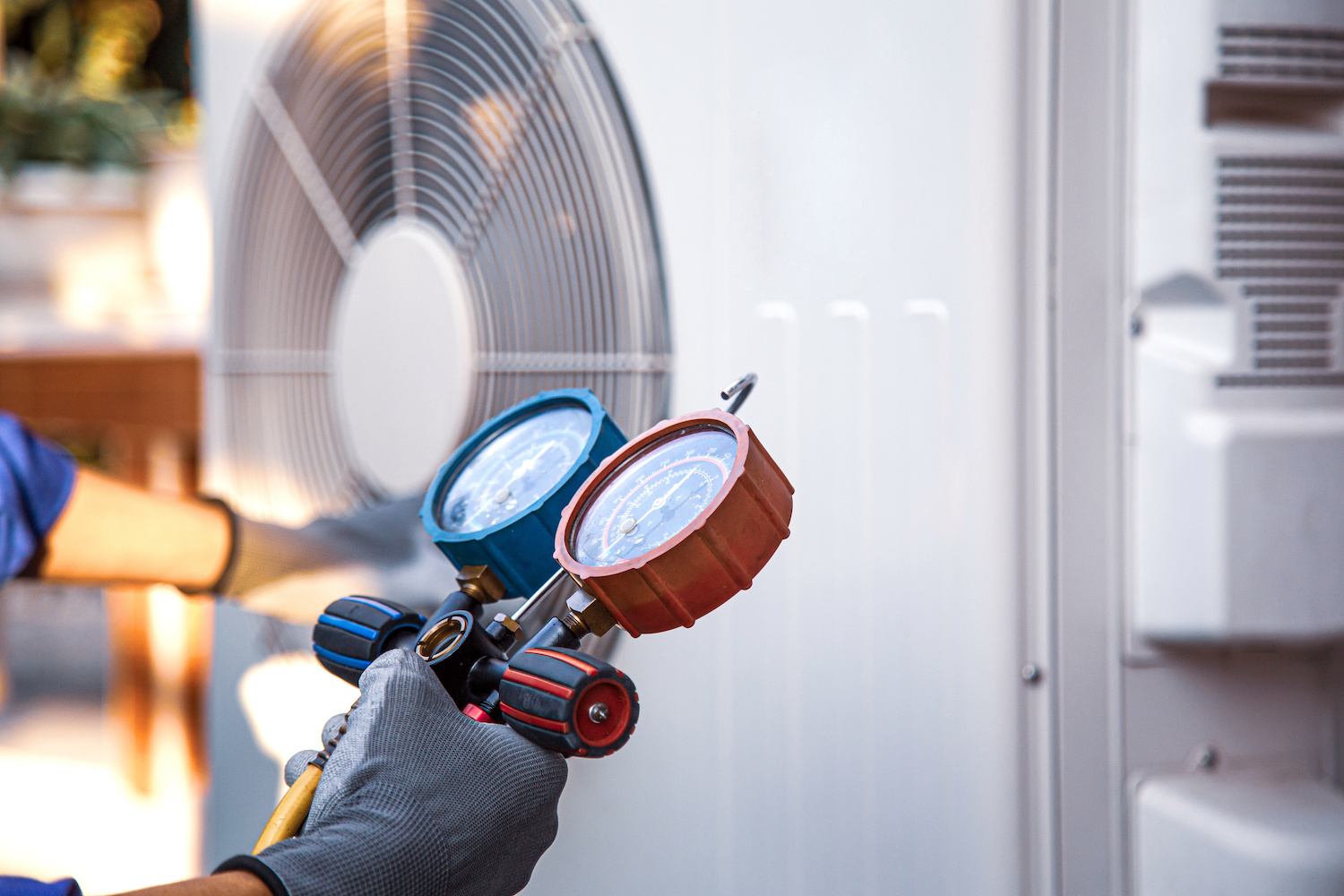
Heat pump maintenance is like a checkup for your system, ensuring everything is working as it should. A professional will test the heat pump under various conditions to assess its performance and ensure all parts are running smoothly. This helps catch small issues before they become bigger problems, keeping your home comfortable and your system running efficiently all year round. Maintenance appointments are recommended yearly to ensure optimal efficiency and keep your warranty valid.
If an issue arises, when should you repair your heat pump? And when should you consider a full replacement?
Here are some signs that you should invest in heat pump service to keep your system working:
- Reduced Heating or Cooling Performance: Your heat pump should easily maintain the temperature you set and should heat or cool your home evenly. If your system is not heating or cooling as effectively as it used to, it is a sign that service is needed.
- Higher Energy Bills: If your utility bills are going up but you haven’t changed how you use your heat pump, it might be time for a service appointment. Higher bills can happen if your heat pump runs nonstop due to a system issue. For example, dirty filters reduce airflow, causing the system to work harder. A system that isn’t running efficiently uses more energy, which costs you more money.
- Unusual Noises: Heat pumps are usually quiet. If your heat pump starts making strange noises like grinding, rattling or squealing, it’s a sign that something isn’t right. A well-maintained system should run quietly, so any unusual sounds mean it is time for a checkup. Ignoring the noise could lead to a bigger problem down the road.
When to Consider Replacement Instead of Repair
Many issues with your heat pump can be fixed with a simple repair, and some may only require cleaning or a filter change. However, you might also be in a situation where you should consider replacing your heat pump.
Here are some reasons why you should consider replacing:
- Your Heat Pump is Over 10 to 15 Years Old: The lifespan of a heat pump is typically 10 to 15 years. If your heat pump is older than this, it likely has significant wear and tear that has reduced its efficiency. Additionally, it can be difficult to source replacement parts for old, outdated systems. With regular maintenance, you can prolong your system’s life, but there will eventually come a time when it will need to be replaced.
- Frequent and Costly Repairs: Frequent repairs can add up, and at some point, replacing your heat pump makes more financial sense. The cost of a replacement system varies, depending on the size of your home and the type of heat pump you need. However, bear in mind that your new heat pump will need fewer repairs. We can help you pick out the right new system and compare costs.
- Your Heat Pump is Outdated or Inefficient: Another reason to replace is if there have been major innovations. A new heat pump may be considerably more energy efficient than your older one. Consider your heat pump’s age and how your bills compare with those of people with heat pumps in similar homes.
- Major Component Failure: Sometimes a component will fail that’s expensive or important, so replacing it will cost almost as much as a new system. This typically means the compressor or motor. Especially if your system is older, replacing these components can be hard and costly. In these cases, comparing the cost of repairs with that of a new system can help you decide whether replacement is the better choice.
Call the Heat Pump Experts
Keeping your heat pump working longer requires regular maintenance and professional inspections, typically once a year. If you are experiencing symptoms such as unusual noises, inconsistent airflow, or an increase in utility bills, it’s time to call Coastal Heat Pumps for repairs and a system evaluation. Contact us to schedule your annual maintenance, book a repair, or get your system evaluated to see if it is time to replace it.
Frequently Asked Questions
What are the most common signs a heat pump needs repair?
Poor heating or cooling, strange noises, short cycling, ice buildup, and rising energy bills are all signs that a heat pump may need professional attention.
Why is my heat pump running but not heating or cooling properly?
This can be caused by low refrigerant levels, dirty coils, airflow issues, or malfunctioning components that reduce efficiency.
Are unusual noises from a heat pump a cause for concern?
Yes. Grinding, rattling, squealing, or buzzing noises often indicate mechanical or electrical problems that should be inspected right away.
How can regular maintenance help prevent heat pump repairs?
Routine maintenance helps identify small issues early, improves system efficiency, reduces wear and tear, and can extend the life of your heat pump.
When should I consider replacing my heat pump instead of repairing it?
Replacement may be the better option if the system is 10–15 years old, needs frequent repairs, or no longer operates as efficiently as newer models.