


Summary
Reducing energy use at home doesn’t have to involve major renovations. Simple changes such as upgrading to a high-efficiency heat pump, improving insulation, sealing air leaks, using smart thermostats, and adopting energy-conscious habits can significantly lower utility bills while increasing comfort. By making your home more energy-efficient, you can reduce your environmental impact, improve indoor comfort, and enjoy long-term savings year-round.
Energy-Saving Tips for Your Home
Lowering your home’s energy use benefits both the environment and your wallet. While some upgrades need upfront investment, there are many smart, low-effort changes you can make right now that add up over time, especially when paired with an efficient heat pump system.
1. Upgrade to a Heat Pump
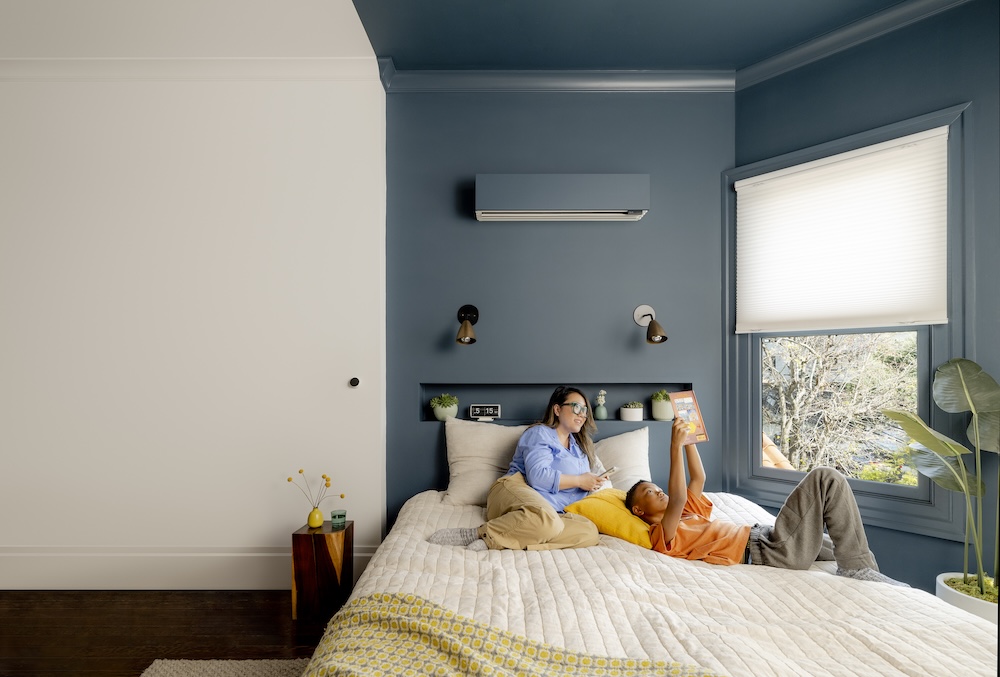
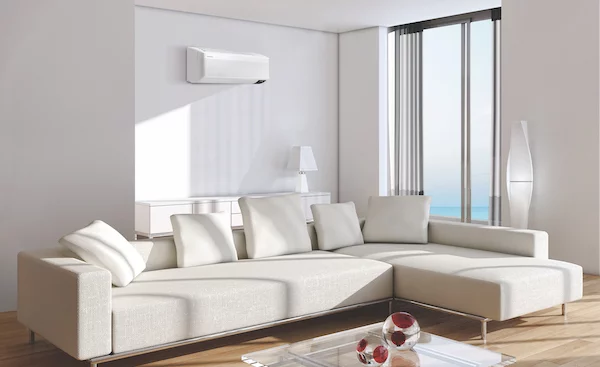
Heat pumps are among the most energy-efficient ways to heat and cool your home. The Government of British Columbia’s CleanBC initiative reports that homeowners can save up to 80% on space-heating energy by switching from oil, natural gas, or electric baseboards to a heat pump.
See this Canadian Government news release about BC’s program to support energy and cost savings through their heat pump program.
2. Tap Into Generous Rebates
BC’s CleanBC Better Homes program offers rebates for heat pump upgrades up to $8,000 for eligible households, and in some cases, up to $24,000 when combined with federal funding and electrical service upgrades. This financial support can cover the full cost of installation for many homeowners.
Another option is the federal Canada Greener Homes Grant, which offers, on average, about $386 in savings per household, along with energy-efficiency upgrades for buildings.
3. Improve Insulation and Seal Leaks
Even the most efficient heating system won’t perform well if your home isn’t well-insulated. The Pan-Canadian Framework suggests that improvements such as better insulation, upgraded windows, and sealing gaps could reduce home energy use by more than 35%.
4. Unplug and Turn Off
Devices like chargers and appliances can draw power even when not actively in use. Similarly, leaving lights on in unoccupied rooms adds to energy waste. Making it a habit to unplug and switch off can reduce small but continuous energy drains.
5. Optimize Heat Pump Usage
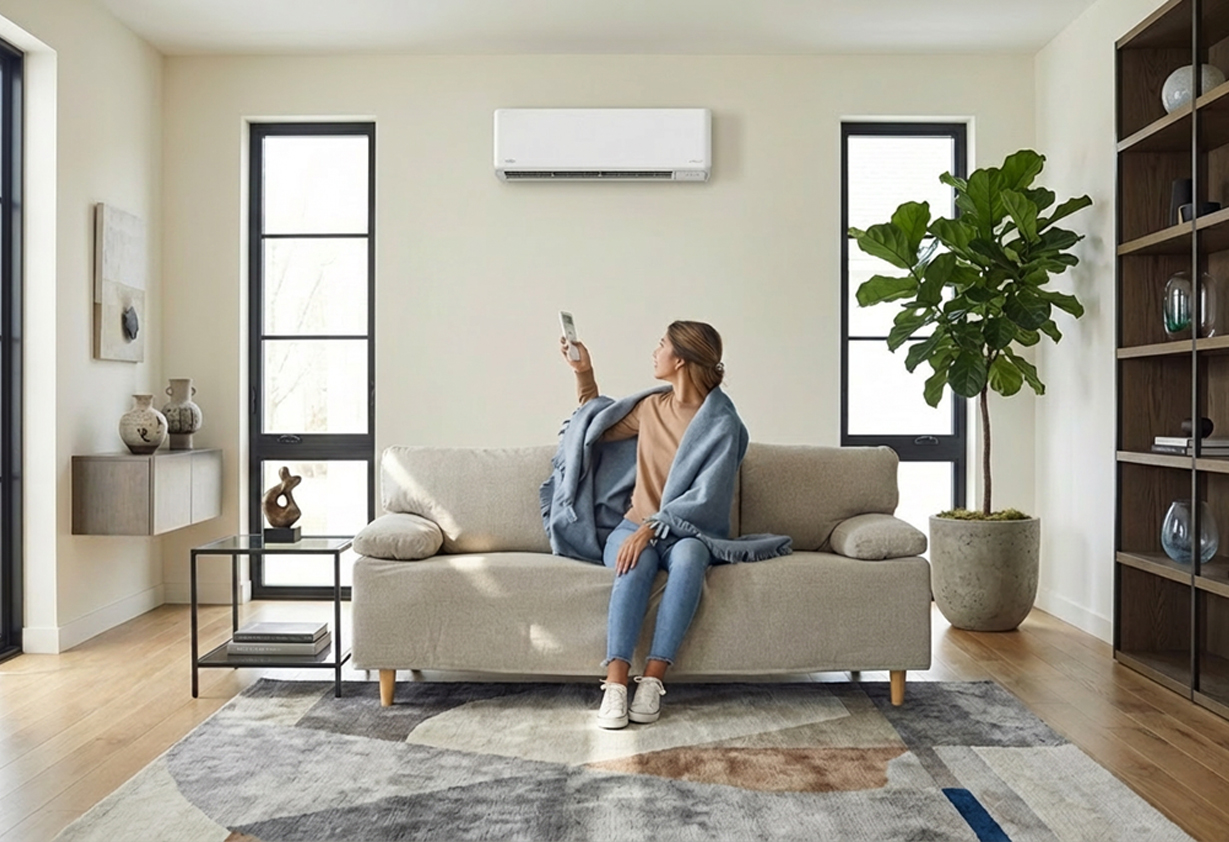
Maximize efficiency by setting a consistent temperature and leveraging zone control, which lets you heat or cool only the rooms you’re using. Regular servicing ensures your system runs smoothly and doesn’t waste energy over time.
6. Use Cold Water for Laundry
Switching your wash cycles to cold water can significantly lower energy consumption and extend the lifespan of your clothes. It’s a simple change with immediate savings.
7. Hang Laundry to Dry When Possible
Dryers are among the biggest energy users in the home. Hanging your laundry outside on sunny days not only eliminates the cost of running your dryer but also helps disinfect and freshen fabrics. On rainy days, you can use an indoor drying rack—just keep the room ventilated to avoid moisture build-up.
8. Take Advantage of Natural Light
Instead of switching on lights during the day, open blinds and curtains to make the most of daylight. For spaces that need extra illumination, consider replacing older bulbs with LEDs, which use at least 75% less energy and last much longer.
9. Maintain Your Heat Pump System
Just like keeping fridge seals tight improves efficiency, having your heat pump regularly serviced, cleaning filters, checking coils, and confirming refrigerant levels, ensures you’re getting maximum output for minimal energy input.
Why It Matters in Victoria
Rising energy costs are a concern for many households. In fact, according to Statistics Canada 1 in 7 Canadian families report cutting back on essentials like food or medicine just to cover energy bills, and in their 2023 study, 14% of households shared that they needed to keep their home uncomfortably cool or even at unsafe temperatures for at least 1 month due to high energy costs
Adopting efficient solutions like heat pumps and smart habits helps your comfort while supporting your budget and health.
Ready to Take the Next Step?
While you can handle some of the other tips above on your own, if you’re interested in smart energy heat pump solutions, Coastal Heat Pumps can help you evaluate and upgrade your home. Whether it’s heat pump installation, zone control systems, or general efficiency advice, we’re here to guide you.
Learn about heat pump options tailored to Victoria → Heat Pump Installation »
Curious about how air purification ties in? → Why Air Quality Is Important »
Want to explore your options? → Contact us for a free in-home estimate »
Frequently Asked Questions
What are the easiest ways to reduce energy use at home?
Some of the simplest ways include switching to LED lighting, sealing drafts around windows and doors, adjusting thermostat settings, unplugging unused electronics, and replacing old HVAC equipment with more energy-efficient systems. Small changes can add up to significant savings over time.
How can a heat pump help reduce my home’s energy consumption?
Heat pumps are highly efficient because they transfer heat rather than generate it. They can provide both heating and cooling while using significantly less energy than traditional electric resistance heating systems, helping homeowners reduce monthly energy costs.
Does improving insulation really lower energy bills?
Yes. Proper insulation helps prevent heat loss during winter and keeps cool air inside during summer. This reduces the workload on your heating and cooling system, leading to lower energy consumption and improved comfort.
Are smart thermostats worth installing?
Smart thermostats can help optimize energy use by automatically adjusting temperatures based on your schedule and preferences. Many homeowners experience lower heating and cooling costs while maintaining consistent comfort levels throughout the home.
What household appliances use the most energy?
Heating and cooling systems typically account for the largest portion of household energy use, followed by water heating, laundry appliances, and refrigerators. Upgrading to energy-efficient equipment and maintaining existing systems can help reduce overall consumption.