


Summary
If you’re still heating your home with an oil furnace, switching to a heat pump could be one of the most effective ways to reduce energy costs while improving year-round comfort. Unlike oil furnaces, heat pumps provide both heating and cooling in a single system, helping homeowners save on heating costs while staying cool in summer.How Replacing an Oil Furnace with a Heat Pump Will Save You Money
Here in Greater Victoria, we’re no strangers to damp winters and warm summers. Many homes rely on oil furnaces or gas boilers in the winter, and portable fans or window A/C units in the summer. While these systems get the job done, they can be less energy-efficient and more expensive than modern heat pump systems.
Switching from an oil furnace to a heat pump is not only a win for your comfort, but also for your wallet and the environment.
What’s the Difference Between a Furnace and a Heat Pump?
An oil furnace generates heat by burning fuel, while a heat pump moves heat from one place to another.
-
In winter, a heat pump extracts heat from the outdoor air (even when it’s cold) and transfers it indoors to warm your home.
-
In summer, the process reverses, moving heat from inside your home to the outdoors to keep you cool and comfortable.
Because a heat pump redistributes existing heat rather than creating it through combustion, it can be significantly more energy efficient.
Reasons Why You Want to Use a Heat Pump
Heat Pumps Save You Money
Heat pumps can be up to three times more efficient than oil furnaces. Instead of generating heat by burning fuel, they simply move it, using far less energy in the process. Oil-heated homes can easily spend $250–$800 per month on heating during the winter. A high-efficiency heat pump can reduce those costs by up to 50%, which means your system could pay for itself in just a few years. For more ways to save, check out our guide on reducing your heating bill this winter.Heat Pumps Are Versatile
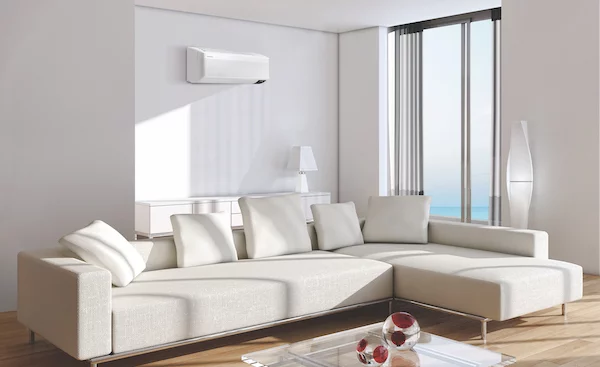
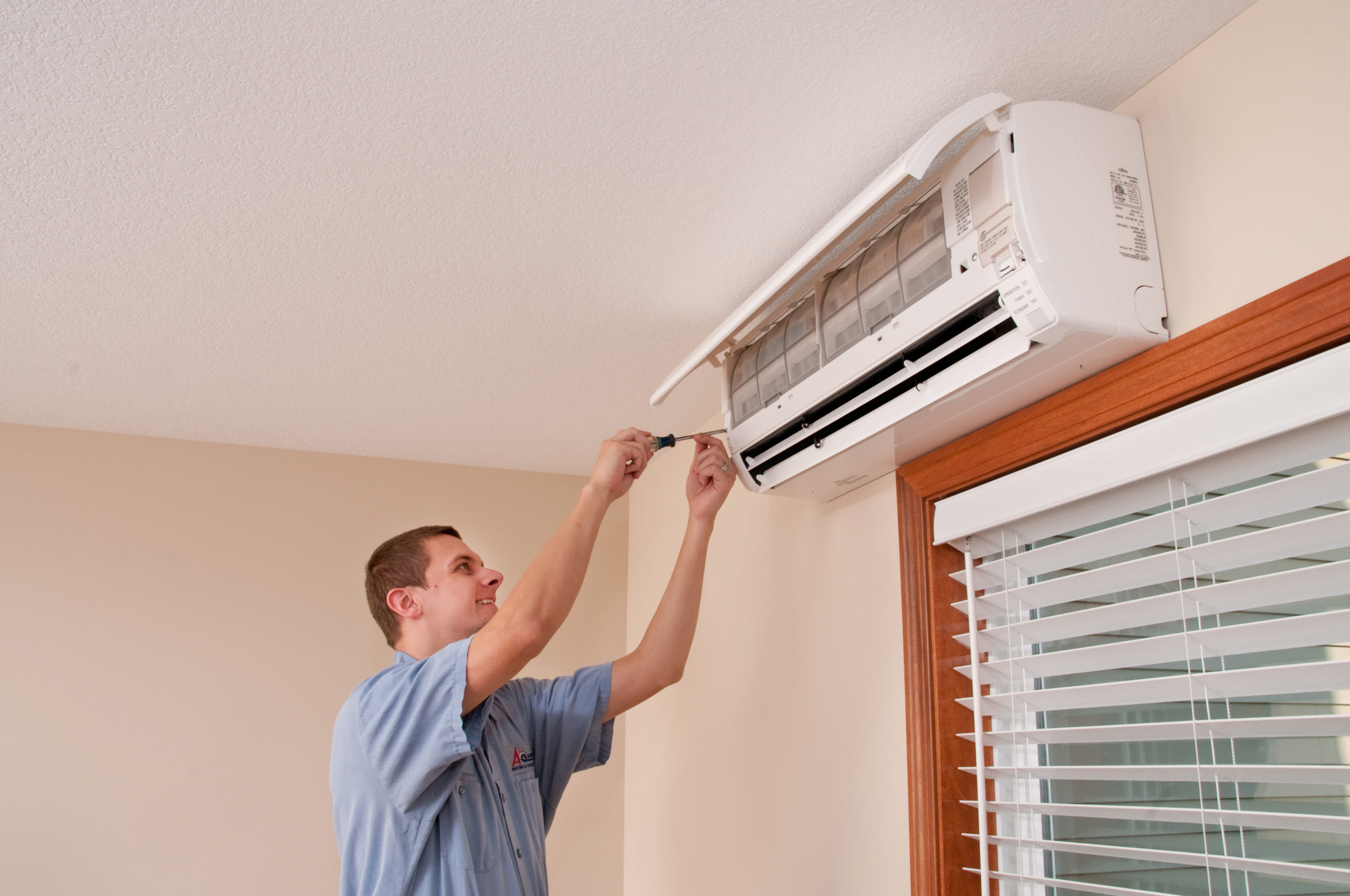
Unlike oil furnaces that require central ducts to distribute warm air throughout your home, ductless pumps can be easily integrated into your home. The heat pump only requires space outside your home for compressors and small wire connections (evaporators) that supply heat to each room, and the indoor unit uses existing space on your wall. Ductless pumps are increasing in popularity for their functionality and ability to zone or temperature-control different areas of your house, thus minimizing heat loss caused by ducting.Heat Pumps Reduce Your Carbon Footprint
By moving away from oil and other fossil fuels, you reduce greenhouse gas emissions and help contribute to a cleaner BC energy grid. When paired with renewable power sources, heat pumps can even make your home close to carbon-neutral.
Upgrading your heating system is also a smart step toward a more eco-friendly home and improved indoor comfort.
Year-Round Comfort
Unlike an oil furnace, which only heats, a heat pump provides both heating and cooling in one system. With a simple setting change, you can switch from heating mode in the winter to cooling mode in the summer without a separate air conditioner.
Ductless heat pumps are a great option for homes without existing ductwork. They also allow for zoned heating and cooling, so you can control the temperature in different areas of your home and avoid energy waste. Conventional heat pump systems allow for whole-home cooling through existing ducting – perfect for keeping the whole house chilled on those hot summer days!
Energy Heat Rebate Campaign
There has never been a better time to switch from an oil furnace to a heat pump. With the BC government’s new program Clean BC, BC Hydro and Fortis BC rebates, you can save on your new heating system. Plus, you will reduce your carbon footprint while maximizing energy efficiency, continuing to save on your hydro bill.Are you looking to switch from an oil furnace to an energy-efficient heat pump?
Coastal Heat Pumps specializes in heat pump installation and ongoing maintenance across Greater Victoria and Vancouver Island. Our team can help you choose the right system for your home, take advantage of available rebates, and ensure your new system is ready for both the coldest winter days and the warmest summer afternoons.
Book your free in-home estimate today and start saving, while staying comfortable all year long.
Frequently Asked Questions
Will replacing my oil furnace with a heat pump save me money?
In many cases, yes. Heat pumps are significantly more energy-efficient than oil furnaces because they transfer heat rather than generate it through combustion. Homeowners switching from oil heating often see substantial reductions in their annual heating costs, especially when fuel oil prices are high.
Can a heat pump cool my home in the summer?
Absolutely. One of the biggest advantages of a heat pump is that it provides both heating and air conditioning. During summer, the system reverses its operation and removes heat from your home, helping maintain a comfortable indoor temperature while controlling humidity.
Can I use my existing ductwork with a new heat pump?
In many homes, yes. If your oil furnace currently uses ductwork, a central heat pump can often utilize the existing ducts, reducing installation complexity and costs. A professional assessment can determine whether any modifications are needed.
Are there rebates available for switching from oil heat to a heat pump?
Yes. Various federal, provincial, and utility rebate programs may be available to help offset the cost of replacing an oil heating system with a heat pump. Some Canadian programs offer substantial financial incentives for eligible homeowners.
Are heat pumps effective during winter?
Yes. Modern cold-climate heat pumps are designed to operate efficiently even in freezing temperatures and can provide reliable heating throughout the winter. Many systems are engineered specifically for Canadian climates and can continue operating at temperatures well below 0°C.