


Summary
Choosing the right HVAC system depends on your home’s size, budget, energy goals, and comfort needs. Understanding the advantages and disadvantages of heat pumps, furnaces, ducted systems, and ductless systems can help you make an informed decision that delivers reliable comfort and long-term energy savings.
The Pros and Cons of Different HVAC Systems
Whether you want to replace an old HVAC system or install a new one in your home, you want a system that best suits your needs. There are so many HVAC systems, but how do you know which system to choose?
When designing a heat pump system, it is important to understand:
- The heating and cooling requirements of your home. This is a calculation that takes into consideration elements of your home such as window type, sun exposure, insulation, and building materials.
- The floor plan of your home, including space usage. This means taking the home’s size, maximizing equipment efficiency, and providing temperature control for you, the homeowner.
In this article, we’re going to discuss the three types of HVAC systems with their accompanying pros and cons to help you choose what best suits your needs. They include the split, duct-free, and packaged HVAC systems.
Split System
These are the most common residential HVAC systems. There are two pieces of equipment, each required for heating during the chilly winters and cooling during the scorching summer. The term “split” is used because one piece of equipment will be found outside, and one piece of equipment will be found inside. In other words, the 2 pieces of equipment are split to provide you cooling in the summer and heating in the winter. The outdoor unit (also known as a condensing unit) PRODUCES heating and cooling year-round; it uses refrigerant to transfer the heat to the indoor unit. The indoor unit DISTRIBUTES heat and cool air throughout the home. The indoor unit may be placed in your basement or crawl space, but there are many suitable areas within your home where the unit can be placed.
Typically, split systems use a “backup” or “auxiliary” heat source which is used when the outdoor temp dips below approx -5 C or when the system goes into defrost. The backup heat is typically electrical or natural gas and is part of the indoor equipment. These systems can add accessories such as ultraviolet air purifiers and humidifiers that keep the air clean and maintain a high level of indoor air quality (IAQ).
Though the indoor unit is quiet, the outdoor unit does produce some noise. This system is known as a central ducted split heat pump system and is controlled by a single thermostat, which is centrally located.
Duct Free System OR Ductless
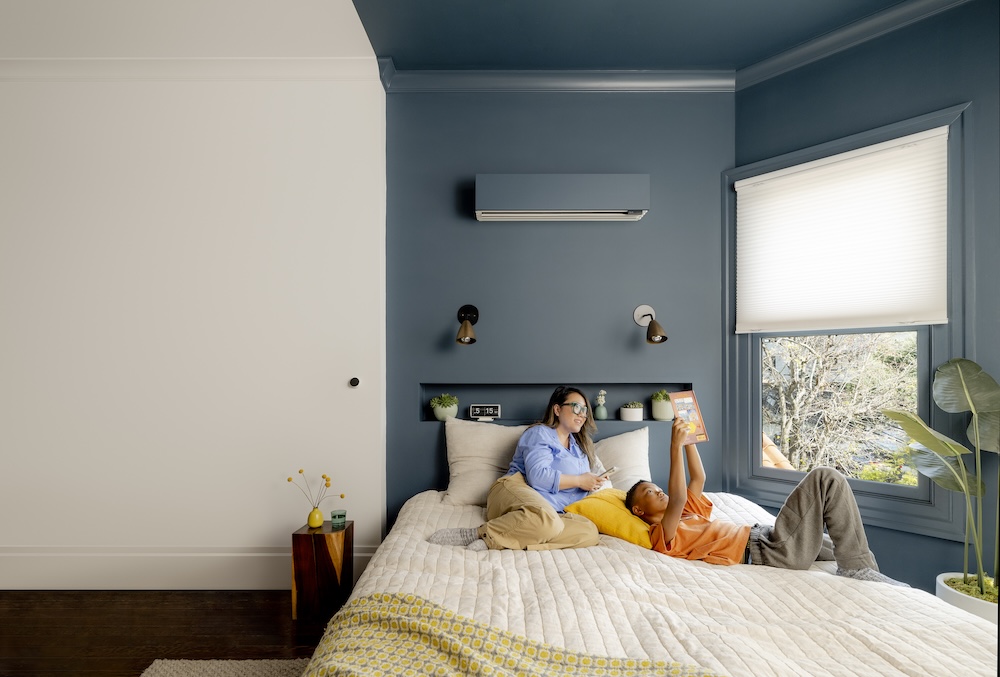
Also referred to as a mini-split, it’s a unique system with its share of benefits, including the ability to independently control each room’s temperature, known as zone control. This system adapts well for maintaining different comfort levels in various areas of a home, meaning the bedroom areas can be kept at one temperature.
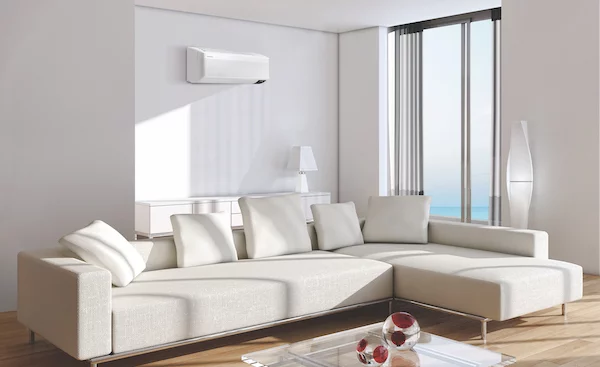
Businesses also benefit from this system as it provides each workspace or room with independent temperature control. Typically, the unit is mounted on interior walls and is attached to an outdoor unit (condensing unit). One outdoor unit can have as many as five indoor units connected to it.
This independent control feature makes them suitable for small homes, hotels, venues, and tenant apartments. They conserve energy because they will only heat or cool the space that is required.
Packaged Heating and Cooling
These systems have both the heating and cooling units packaged in one box, making them space savers. This single component is located outside; hence, no space is required indoors. Nevertheless, it may be placed on rooftops or adjacent to the home, with the air distribution or ductwork connected to it. Its minimalist design allows storage within the house. The packaged unit also has less upfront cost. This system operates the same as the split system, with the main difference being that there is no indoor component, but it is controlled by a single temperature control.
Where to Get the Right HVAC System
Get a ducted or duct-free HVAC system from Coastal Heat Pumps. We have extensive experience specializing in heat pumps and ensuring that homes are comfortable all year round. We not only install but also service HVAC systems. We have also partnered with great manufacturers like Fujitsu, Moovair, and Quilt to provide the exact system you need to make your home incredibly comfortable. Book a free in-home estimate and get expert advice on which ducted or ductless HVAC system will work in your home.
Frequently Asked Questions
What is the most energy-efficient HVAC system?
Heat pumps are among the most energy-efficient HVAC systems because they transfer heat rather than generate it, providing efficient heating and cooling from one system.
What’s the difference between a ducted and ductless HVAC system?
Ducted systems distribute air through ductwork to the entire home, while ductless systems use individual indoor units for targeted, room-by-room comfort.
Are heat pumps better than furnaces?
For many Vancouver Island homes, heat pumps offer lower energy consumption, year-round heating and cooling, and reduced greenhouse gas emissions compared to traditional furnaces.
How do I choose the right HVAC system for my home?
Factors such as your home’s size, existing ductwork, insulation, budget, and heating and cooling needs should all be considered. A professional in-home assessment can help determine the best solution.
Can I replace my existing HVAC system with a heat pump?
In most cases, yes. Many homeowners replace older furnaces or air conditioners with high-efficiency heat pumps to improve comfort, lower energy bills, and take advantage of available rebates.