



Summary
Heat pumps are one of the most efficient and versatile home comfort systems available, but many homeowners still have questions about how they work, their costs, and their performance in different climates. This article answers five of the most common heat pump questions, helping homeowners better understand the benefits of heat pumps, what to expect from installation, and why they’re becoming an increasingly popular choice for energy-efficient heating and cooling.
Answer to the Five Most Common Heat Pump Questions
When shopping for a heating or cooling mechanism in your home, it’s easy to get confused by all the options and fancy names. To us, it’s a simple choice: heat pumps are ideal for homes in Victoria. But for those new to the industry, we’ve compiled the five most common heat pump questions to help you make your decision.
What is the purpose of a heat pump?
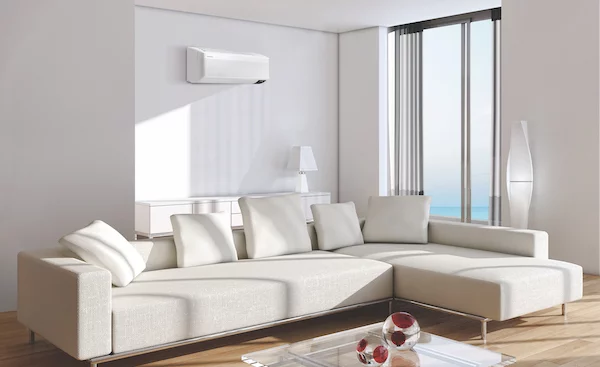
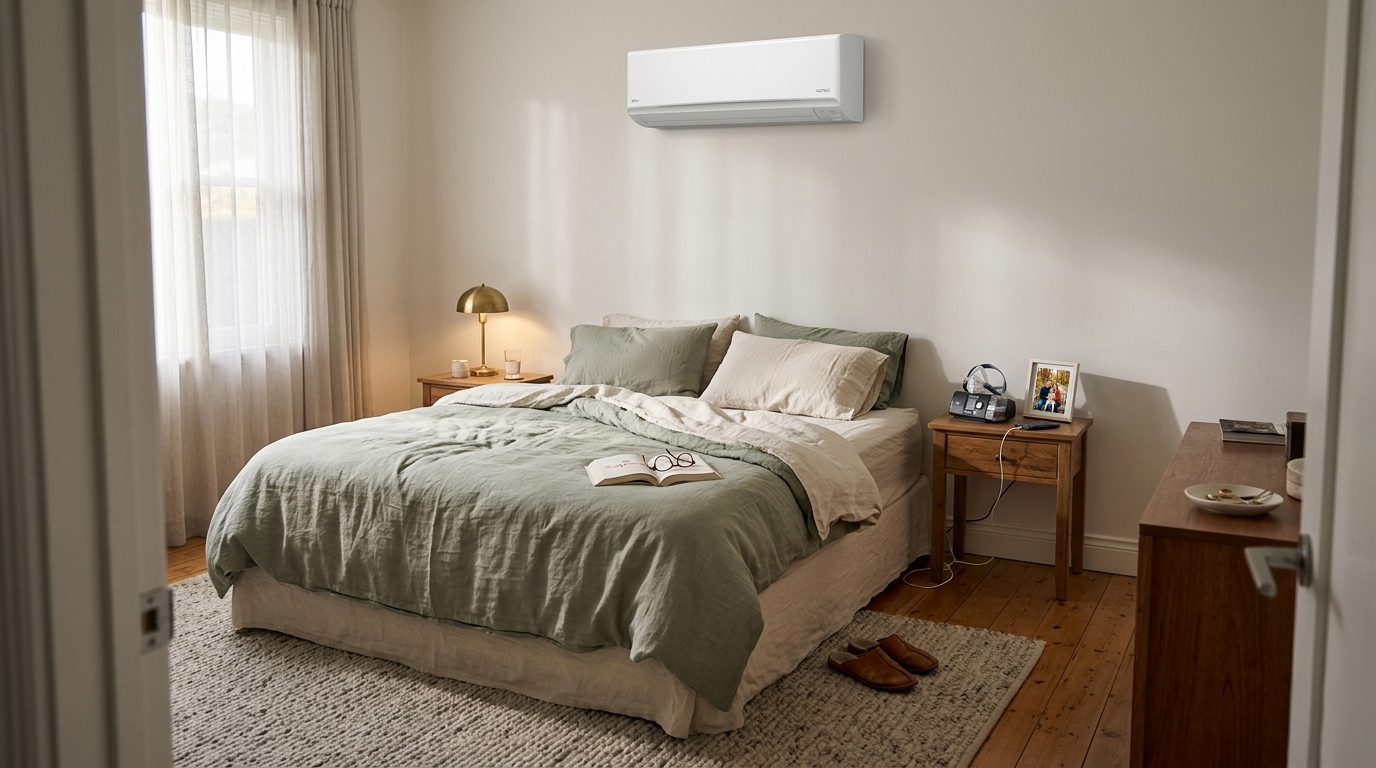
A heat pump serves to either warm up or cool a space. It works as both an air conditioner and a heater in one—providing filtered air conditioning in the summer and consistent heat in the winter.
How exactly does it work?
In basic terms, a heat pump transfers heat from one source to a ‘heat sink’. During the process, thermal energy moves from a colder space to a warmer one.
A heat pump can refer to any HVAC (heating, ventilating and air conditioning) device since it both cools and heats up spaces. To cool the space, heat is pulled from the room and released into the surrounding environment. To heat a space, the heat pump operates in the same refrigeration cycle but in reverse. Heat is released into the space rather than the surrounding environment.
When a heat pump is installed in your home, it pulls heat from outdoors to warm your rooms in winter and releases it outdoors to cool your home in summer.
Is a heat pump better than an air conditioner?
This all depends on where you live. For residents of Victoria, where the climate changes year-round, a heat pump is the better option since it both heats and cools efficiently. During cold winters, heat transfer generally uses less electricity than heat generation, meaning a smaller electricity bill for you and less impact on the environment. Win, win.
Is a heat pump environmentally friendly?
When installed and properly run, heat pumps are highly efficient. The main reason is that the heat pump does not generate heat; it simply moves it.
Heat pumps can be powered by a wide range of energy sources, from solar to electrical to geothermal.
Moreover, heat pumps don’t emit harmful gases such as carbon dioxide and other greenhouse gases into the atmosphere.
What size is right for me?
This all depends on your specific needs. When a Coastal Heat Pumps professional comes to your home, they will measure the space and perform calculations to determine your needs.
Coastal Heat Pumps is an independent contractor, meaning we design, install and service models from a variety of brands. We will advise you on the right choice for your space. Our company also offers heat pumps for a range of budgets, so our employees will take all factors into consideration when deciding on the right heat pump for you. Book an in-home estimate today.
Frequently Asked Questions
How does a heat pump work?
A heat pump works by transferring heat rather than generating it. In winter, it extracts heat from the outdoor air and moves it indoors. In summer, the process reverses, removing heat from your home to provide cooling. This makes heat pumps extremely energy-efficient compared to traditional heating systems.
Do heat pumps work in cold weather?
Yes. Modern cold-climate heat pumps are designed to operate efficiently even in freezing temperatures. They can provide reliable heating throughout Canadian winters and are particularly effective in Victoria and Vancouver Island’s moderate coastal climate.
Will a heat pump lower my energy bills?
In many cases, yes. Heat pumps can significantly reduce heating costs compared to electric baseboard heaters, oil furnaces, and other less efficient systems. The exact savings depend on your current heating source, home size, and energy usage habits.
Can a heat pump cool my home too?
Absolutely. One of the biggest advantages of a heat pump is that it provides both heating and cooling from a single system. This allows homeowners to enjoy year-round comfort without needing separate heating and air conditioning equipment.
How long does a heat pump last?
With proper installation and regular maintenance, most heat pumps last between 15 and 20 years or more. Annual servicing and routine filter cleaning can help maximize system performance and lifespan.