


Summary
Getting the most out of your heat pump goes beyond simply adjusting the thermostat. Proper operation, routine maintenance, and smart temperature management can significantly improve comfort, lower energy costs, and extend the life of your system. This guide covers practical tips homeowners can use to maximize efficiency year-round, helping their heat pump deliver reliable heating in winter and cooling in summer while reducing unnecessary wear and tear. Proper maintenance and operation are among the most effective ways to improve heat pump performance and energy savings.
Maximizing Comfort and Efficiency: A Guide to Getting the Most Out of Your Heat Pump
Heat pumps are the most efficient heating and cooling systems for your home. If you already have a heat pump, you’re in a great position for year-round comfort and energy efficiency. Of course, optimizing that performance can provide even greater benefits.
To truly harness the potential of a heat pump, it’s essential to understand how to optimize its performance. With the right maintenance for both your heat pump and your home environment, you can achieve more efficient heating and cooling and more efficient use of electricity, so that your home is more comfortable, your power bill is lower, and your heat pump lasts longer.
This guide will help you explore key strategies to get the most out of your heat pump, ensuring a cozy and energy-efficient home.
How Heat Pumps Work
Heat pumps move heat from one place to another to heat or cool your home. In thermodynamics, cold is the absence of heat. Like a typical AC, a heat pump in the summer uses refrigerant fluid in pipes to transport heat outside. This cools the evaporative coils, chilling air which is then circulated through the house.
In the winter, heat pumps reverse the process. It then pulls ambient heat from the outside air (even if it feels cold outside) and warms the indoor coils, which then circulate the warmed air through the house.
This bidirectional process is what makes heat pumps so efficient, and understanding how your heat pump works can help you boost its efficiency through regular maintenance and smart temperature management.
Regular Heat Pump Maintenance
Every machine needs regular maintenance to provide its best performance. For a heat pump, we recommend an inspection and tune-up once or twice a year. This will ensure that the inside of your heat pump unit(s) remains clean and efficient. Regular inspections will also ensure that any potential issues, like broken fan blades or fraying wires, will be caught early and repaired before they cause a problem for your heating or cooling system or have a chance to create further damage.
The best time of year for heat pump maintenance is in the early Spring and mid-Autumn, just before the weather changes between hot and cold. Your technician will make sure your heat pump is ready to switch modes efficiently and perform reliably through the summer heat and winter chill.
In between your heat pump maintenance inspections, be sure to check your filters once per month and clean or replace them as needed.
Automate Your Thermostat
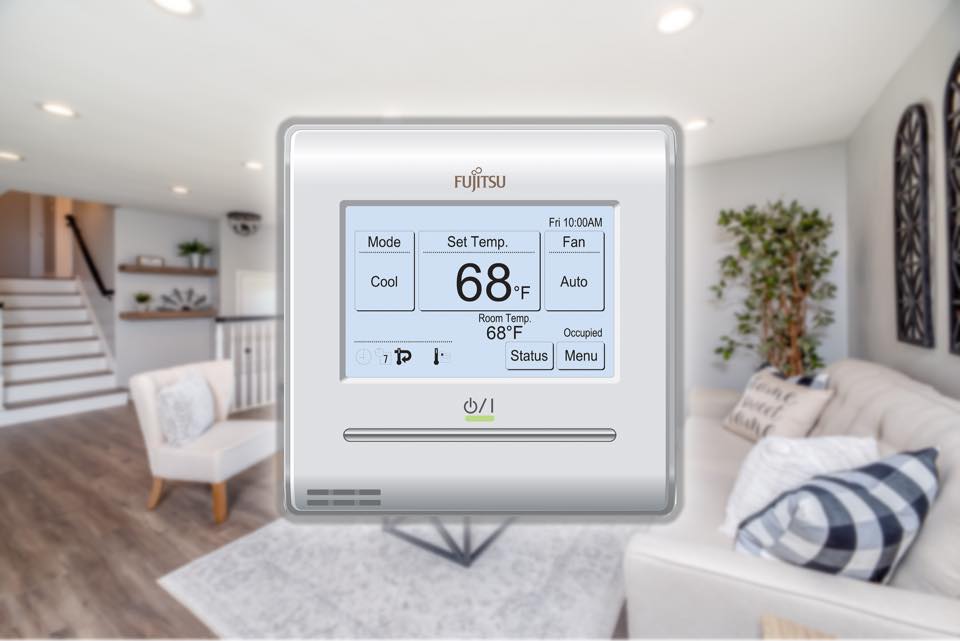
Set your desired temperature in each room with a multi-zone heat pump. It is recommended to set it and forget it for maximum energy efficiency and comfort.
You can, however, manually manage your thermostat by adjusting the temperature and fan settings to suit your daily routine, if preferred. Depending on your heat pump, some models come with a programmable or smart thermostat that will automate these changes for you. A programmable thermostat can follow a schedule, but a smart thermostat can adapt to things like the weather forecast and be programmed from your mobile phone.
Insulate and Seal Your Home
No matter how efficient your heat pump is, your home will remain comfortable only if it is also well insulated and sealed. An insulated home keeps the conditioned air indoors and the uncomfortably hot or cold air outdoors. To boost the efficiency of your heat pump -so it doesn’t have to work as hard to keep your home comfortable – it is important to seal up your home for temperature containment.
- Start by caulking your windows and adding weather stripping to windows and doors where they open.
- Then add insulation where your home may be lacking.
- Add extra rolls or blow-in insulation to your attic.
- Put carpets on hard floors and hang curtains over your windows.
- Boost the insulation between your home’s walls.
- Consider installing double-paned windows.
- Have your ducts inspected and repaired, as duct leaks can cause major efficiency losses and are often hidden between the walls.
Every little bit counts when boosting your home’s energy and temperature efficiency.
Landscape Around the Outdoor Unit
Lastly, you can keep your heat pump’s outdoor unit safe and running efficiently by protecting it from the elements. Trim back bushes and underbrush in your yard that might get into the vents and fans. Consider placing a small fence or barrier 1 to 3 feet around your outdoor unit to protect it from landscaping activities and wind-blown debris. In snowy conditions, ensure the outdoor remains uncovered, and leave a shovel-width path around the unit.
Combined with regular maintenance, these improvements will help to prevent outdoor debris from blocking or damaging your outdoor unit, ensure proper airflow, and secure long-term performance.
Optimize Your Heat Pump Efficiency with Coastal Heat Pumps
If your home has a heat pump, you can enjoy year-round heating and cooling efficiency. Our team of heat pump experts will help you keep your heat pump in top condition with inspections, tune-ups, and repairs. We can also provide useful advice on optimizing your heat pump performance through home improvements, smart landscaping, and thermostat management. Book your annual maintenance today to ensure you are getting the most out of your heat pump.
Frequently Asked Questions
What temperature should I set my heat pump to for maximum efficiency?
Heat pumps perform best when maintaining a consistent temperature rather than making large adjustments throughout the day. Frequent temperature swings can cause the system to work harder and may reduce overall efficiency.
How often should I clean or replace my heat pump filters?
Most manufacturers recommend checking filters monthly and cleaning or replacing them as needed. Dirty filters restrict airflow, reduce efficiency, and can negatively impact indoor air quality and system performance.
Does regular maintenance really make a difference?
Yes. Routine maintenance helps identify potential issues early, improves energy efficiency, and extends the lifespan of your heat pump. Regular inspections, coil cleaning, and system tune-ups help ensure peak performance throughout the year.
Can a heat pump help lower my energy bills?
Absolutely. Heat pumps transfer heat rather than generate it, making them significantly more efficient than traditional electric resistance heating. Proper operation and maintenance can further maximize energy savings and reduce operating costs.
What can I do to improve my heat pump’s performance?
Keep outdoor units free of debris, maintain clean filters, use the thermostat consistently, schedule annual professional maintenance, and ensure your home is properly insulated. These simple steps can improve comfort, efficiency, and system longevity.