


Summary
Inverter technology allows heat pumps to adjust compressor speed to match your home’s heating and cooling needs, rather than cycling on and off like traditional systems. This results in more consistent indoor temperatures, improved performance—even in colder climates—and greater energy efficiency, which can help lower operating costs and increase comfort.
Why is Inverter Technology Important For Your Heat Pump?
Once thought to be frozen out of the heat pump market, Northern regions can now take advantage of energy-efficient heat pump systems year-round to heat and cool their homes in the most extreme weather.
Technological advances, particularly the introduction of inverter technology in heating systems, allow heat pumps to operate in much colder weather while maintaining steady, comfortable temperatures.
That means homeowners and businesses can save money over inefficient propane, boiler, and even natural gas systems by converting to electric-driven heat pumps.
What is inverter technology?
A major challenge in introducing heat pumps in colder climates was that they experienced reduced pressure, slower refrigerant flow, and reduced operational capacity as outdoor temperatures dropped. The original units operated efficiently down to about -6 degrees.
The conversion to inverter-driven, variable-speed compressors overcame this issue and allowed heat pumps to provide consistent heating when temperatures drop closer to -30C.
Traditional heating and cooling sources turn off and on as needed, an inefficient process. An inverter-driven compressor maintains a constant temperature by modulating the rate of heat transfer based on the heating and cooling loads of the home or building. The idea is like using cruise control on your car to create a more energy-efficient driving experience, compared to being stuck in stop-and-go traffic.
How efficient are heat pumps?
According to research from Natural Resources Canada, heat pumps operate at 190 percent efficiency, meaning they generate 1.9 units of heat for every 1 unit of electricity consumed. Some modern heat pumps claim to run up to 400 percent efficiency. Even at 190 percent, heat pumps are nearly double the efficiency of electric baseboard heaters, which operate at 100 percent efficiency.
The most common forms of heating operate at even lower efficiencies. Heating oil systems range from 60 to 85 percent efficiency, while natural gas units are slightly higher, at 62 to 90 percent efficiency. Good old wood brings up the bottom of the list at only 50 percent efficiency.
What are the advantages of heat pumps?
Although heat pump systems generally are more expensive to install, their efficiency makes up for that expense quickly, as they provide several advantages over more traditional heating and cooling systems:
- Enhanced comfort: Heat pumps maintain your home at a constant temperature, so you don’t need to experience fluctuations when the system is running and not running. You still can turn the temperature down when you are away from home, and heat pumps warm the air quickly because they can operate at a high capacity when needed.
- Energy efficiency: As the most energy-efficient system on the market, heat pumps give you the comfort of knowing you are contributing less to climate change. Traditional systems create a surge every time they turn on and off, while a heat pump maintains a steady electricity use.
- Cost savings: Homeowners who switch from a heating oil or electric system can expect to save 30 to 55 percent on their heating bills. Natural gas users do not experience as great a savings. But you are also using the least carbon-intensive fuel source when you choose electricity.
- Quiet operation: Heat pumps create little noise as they move heat around a home to meet your demands. You won’t have your favourite movie or music interrupted by the sudden swoosh of your heating system blowing out a rush of air.
- Durability: Inverter-driven, variable-speed compressors are built to handle constant motion, so you don’t have as many part failures as you do with a system that is constantly turning off and on. The pressure on these systems causes greater wear as parts must move quickly from stationary to mobile in seconds, repeatedly throughout the day.
How easy is a conversion to a heat pump?
Most homes can easily be converted to a heat pump, depending on your current heating system.
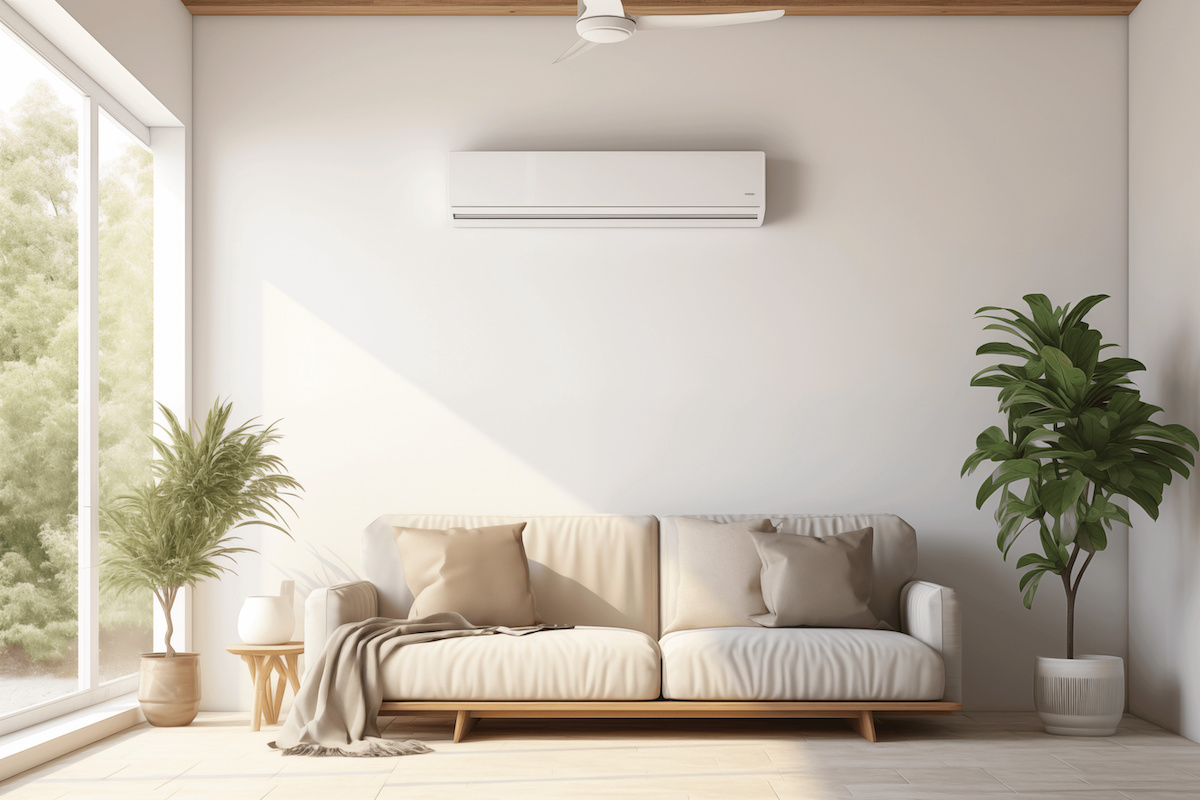
Heat pumps are available in two types: ducted and ductless. If your home has a conventional duct system for heating with natural gas or heating oil, the conversion can be done quickly, as the new unit simply pumps air through your existing system. The system operates much like a conventional one, with a single temperature throughout the home controlled by a central thermostat.
If you have a baseboard heating system, either electric or boiler, you can consider a mini-split system. These systems provide a heating unit in each room, linked to an outside compressor with tubes. They don’t require installing a complete duct system and allow heating different rooms at different temperatures.
Will Canadians buy into heat pumps?
They already are. The installation of residential heat pumps has doubled over the past two decades as the technology has made them more palpable in our colder climate. Still, they account for only about 5 percent of residential space-heating needs in Canada.
However, Canada’s Energy Future 2023 Global Net Zero Scenario envisions heat pumps providing 50 percent of the residential space heating by 2050. The percentages are expected to increase to 13 percent by 2030, 30 percent by 2040, and 50 percent by 2050.
The adoption of more efficient technology, along with improved construction of residential and commercial buildings, is designed to decrease Canada’s emission of greenhouse gases by 71 percent by 2050.
Are you considering a heat pump for your home or business?
You don’t need to wait to get on the heat pump bandwagon. Coastal Heat Pumps can help you convert to an energy-efficient heat pump before the winter gets too harsh. Our expert designers and installers will determine the best system for your home or business, and you can begin enjoying the energy savings right away.
Contact our heat pump experts today to schedule a free in-home consultation to evaluate the right system for your family or business, and receive a free estimate and installation timeline. You’ll be amazed at how much you will enjoy the comfort of a constant temperature in your home or business, all while saving money on your utility bills.
Frequently Asked Questions
What is inverter technology in a heat pump?
Inverter technology uses a variable-speed compressor that adjusts output to match heating or cooling demand, rather than turning fully on and off.
How does inverter technology improve heat pump efficiency?
By modulating the compressor speed to meet precise temperature requirements, inverter heat pumps avoid energy-wasting start/stop cycles, thereby increasing efficiency and lowering utility costs.
Will inverter technology make my home more comfortable?
Yes, because the system runs at variable speeds, it maintains steadier indoor temperatures with fewer fluctuations than traditional heat pumps.
Are inverter heat pumps quieter than traditional models?
Generally, yes, because smoother, continuous operation at lower speeds typically produces less noise compared to fixed-speed compressors.
Is inverter technology better in cold climates?
Yes, inverter-driven heat pumps can maintain heating performance at lower outdoor temperatures, improving comfort and efficiency in colder regions.