




Summary
Thinking about installing a heat pump in your strata home? This guide explains everything condo and townhouse owners need to know, from the benefits of year-round heating and cooling to how to navigate strata approvals and bylaws. Learn how heat pumps can improve comfort, reduce energy consumption, and increase property value while ensuring your installation meets your strata corporation’s requirements. Heat pumps are becoming a popular solution for strata residents looking for efficient climate control and improved indoor comfort.
Everything You Need to Know About Heat Pumps for Your Strata Home
As sustainability becomes an increasingly important focus in our communities, more strata properties are turning to heat pumps as an efficient, eco-friendly heating and cooling solution.
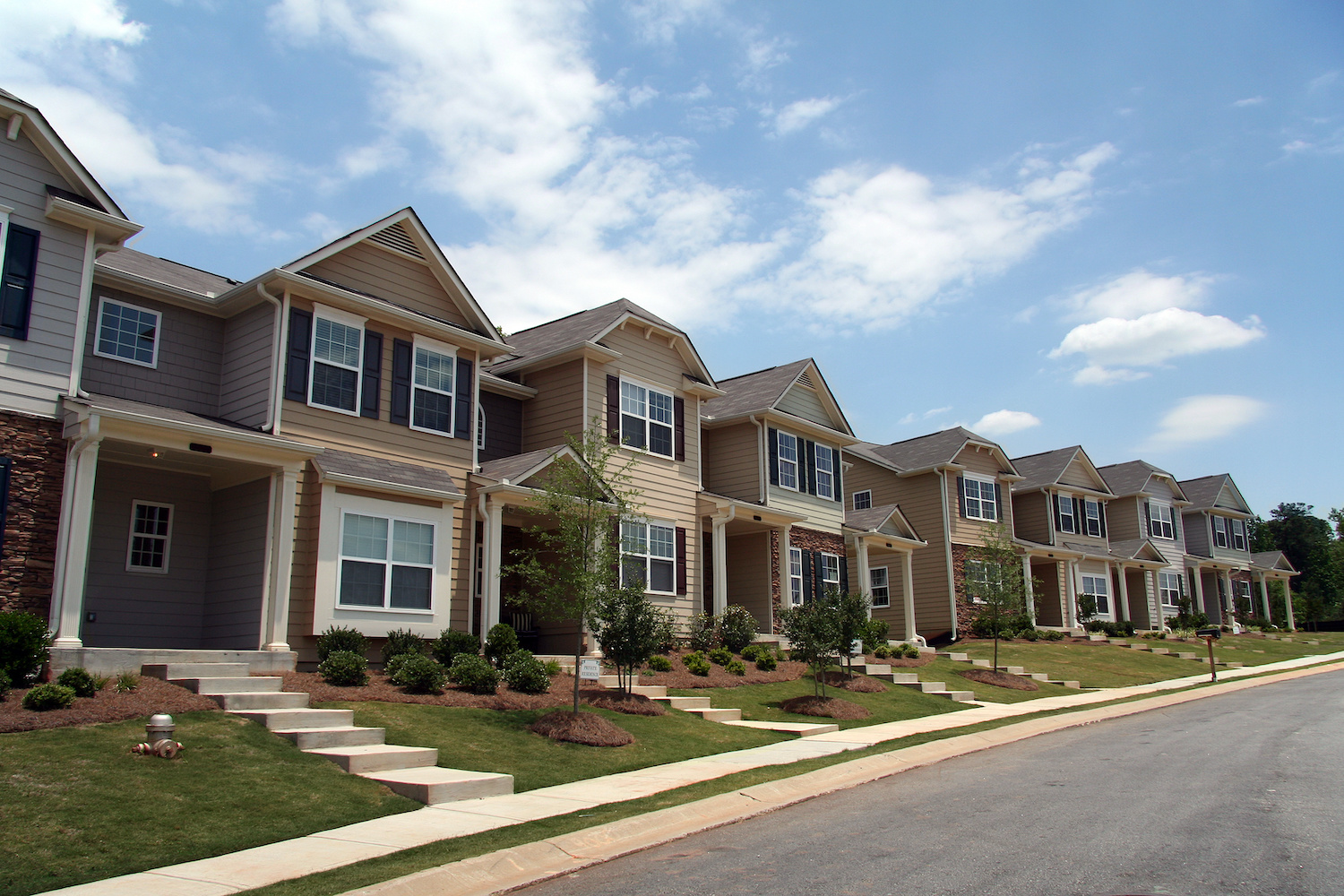
Strata properties are individually owned homes with shared property. This includes condo buildings, townhouses, duplexes/multi-plex homes, and neighbourhoods with shared gardens and other amenities. Many strata properties have common walls with their neighbours, and all share community guidelines.
At Coastal Heat Pumps, we are proud to offer a comprehensive guide to what you need to know about installing a heat pump in your home in a strata property.
Benefits of Heat Pumps for Strata Properties
Strata property homeowners benefit from choosing compact, efficient appliances that deliver the best results with minimal impact. Heat pumps are a sustainable, quiet and efficient HVAC (heating, ventilation, and air conditioning) option. Heat pump systems offer several key benefits for strata properties, both individual homes and shared spaces.
- Energy Efficiency –Heat pumps are among the most energy-efficient HVAC solutions on the market. They operate efficiently by transferring heat from one place to another to achieve your desired indoor temperature.
- Year-Round Comfort Heating & Cooling –A heat pump provides both heating and cooling from the same unit, allowing for year-round comfort with a single installation.
- Quiet Operation – Heat pumps are quiet among HVAC units and will minimize noise in your home and strata community.
- Long Lifespan – Heat pumps last longer when maintained regularly.
- Environmentally Sustainable – Using only electricity and consuming less power than traditional HVAC systems, heat pumps are more eco-friendly and more efficient.
Strata Considerations for Installing a Heat Pump
Heat pumps can replace an old HVAC unit, often requiring less space and no fossil fuel. HVAC installation has special considerations for strata properties, as the system must operate both inside and outside your home. Here’s what strata property owners need to know when considering a heat pump installation.
Installation Access: Walls vs Envelope
For a heat pump installation, you will need strata approval with permission to drill a 2-½” hole through the “building envelope,” which is the outer shell of the building. This is required for the applicable piping needed to connect the indoor and outdoor units. After installation, this hole will be properly insulated and sealed to ensure the building envelope remains weather-tight.
In the case you are replacing an existing single-home HVAC system, you may only need approval to swap out the equipment, as the envelope may already have the apertures that your heat pump requires.
Ducts vs Ductless Heat Pumps
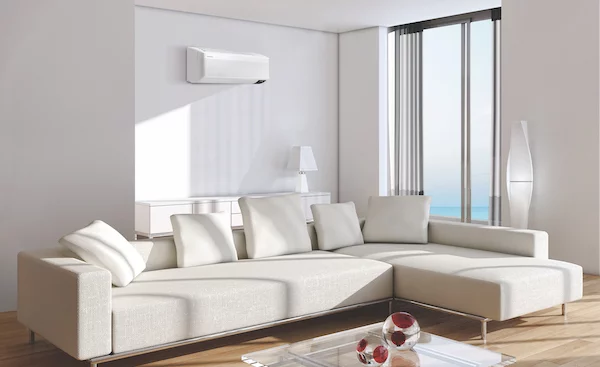
If your strata home is already designed for central air, you can often make use of existing ductwork for your ducted heat pump installation. Ductless heat pumps provide heating and cooling for a single room or zone, typically installed on an exterior wall. Be sure to obtain an in-home estimate from a reputable company that offers options tailored to your needs and your home’s heat load. They will advise you on the right heat pump sizes and designs to efficiently fit into your existing HVAC setup.
Strata Bylaws and Regulations
Know your strata’s bylaws and regulations. Every strata has a unique set of policies. You may need to submit renovation plans to your strata before starting. You may also need to have your heat pump unit and placement approved. Some strata properties may not allow heat pumps, and some have specific power, efficiency or noise requirements.
Check with your strata council on what is needed to upgrade your HVAC and install a heat pump. If necessary, begin the application and approval process early so you can start your installation at the desired time. As part of your application, the strata council typically requests information from your chosen installing company, such as proof of insurance, a work safe clearance letter and a business license, which any reputable contractor should be happy to provide.
Installation and Maintenance Costs
You’ll get the best performance from a professionally installed and maintained heat pump. For this, you’ll want to consider installation costs and annual maintenance costs, including cleaning and tune-ups. Your local heat pump company can provide a potential price range for your needs.
Noise Considerations
Heat pumps are quieter than traditional HVAC units, and most of the noise is isolated with the outdoor unit. Careful placement can help to minimize noise for you and your neighbours. Occasionally, strata with set noise bylaws require a small enclosure around the outdoor unit to further reduce noise. These enclosures can be great sound solutions and do not affect the system’s operation, so long as there is adequate airflow around the outdoor unit.
Condensate Drainage Considerations
It is normal for heat pumps to produce water. All condensate from the indoor and outdoor heat pump units is drained to the building’s exterior, ideally to a downspout, garden bed, or patio.
Heat Pumps in Shared Spaces
Not only are heat pumps beneficial for homes within a strata property, but they can also improve the comfort and efficiency of shared spaces. This may require collaboration with your strata council or the entire community. If the HVAC system in your strata building’s common area needs replacement, propose a heat pump as a sustainable, energy-efficient solution.
Is a Heat Pump Right for Your Strata Property?
Many strata properties have homes with ample exterior wall access and a desire to see sustainable upgrades across the community. Heat pumps are an efficient upgrade for any home and can be a great idea for your strata homes or shared spaces. Each strata property has different policies regarding “through the envelope” installations. It is perfectly normal to undergo an approval process before your heat pump can be installed.
You will also want to carefully select the right heat pump to provide the most efficient, comfortable, and easily approved solutions for your strata home. Coastal Heat Pumps is here to help. Contact us at any time to consult on your strata home’s needs, restrictions, and existing HVAC design. We’ll help you select the right heat pump and help you get your sustainable home upgrade approved.
Frequently Asked Questions
Can I install a heat pump in my strata unit?
In most cases, yes, but you’ll typically need approval from your strata council before installation. Requirements vary by building and may include reviews of noise levels, exterior unit placement, electrical capacity, and building bylaws.
What are the benefits of installing a heat pump in a strata home?
Heat pumps provide both heating and cooling, improve indoor comfort, and can be significantly more energy-efficient than electric baseboard heating. They also help maintain more consistent indoor temperatures throughout the year.
Do heat pumps work well in BC’s climate?
Yes. Modern cold-climate heat pumps are designed to operate efficiently in British Columbia’s mild coastal climate, providing reliable heating during winter and cooling during increasingly warm summer months.
Will a heat pump increase the value of my strata property?
Many buyers view heat pumps as a desirable upgrade because they provide energy-efficient heating and air conditioning in a single system. Enhanced comfort and lower operating costs can make a property more attractive to prospective buyers.
What should I consider before applying for strata approval?
Before submitting an application, consider the location of the outdoor unit, noise requirements, electrical capacity, condensate drainage, and any building-specific installation guidelines. Working with an experienced heat pump contractor can help streamline the approval process.