



Summary
Indoor air quality directly affects your health, comfort, and overall well-being. This article explores common indoor air pollutants and practical steps you can take to improve the air in your home, including proper ventilation, humidity control, regular HVAC maintenance, air filtration, and upgrading to an energy-efficient heat pump with advanced air purification features.
How to Improve Indoor Air Quality in Your Home
We spend most of our time indoors, especially during cold winters, so the quality of the air we breathe matters. Poor indoor air quality can contribute to allergies, asthma flare-ups, and respiratory illnesses like bronchitis or pneumonia. The good news is, with a few consistent habits and smart upgrades, you can significantly improve the air in your home.
1. Change Air Filters Regularly
Clean air starts with a clean filter. If your heating or cooling system uses replaceable filters, check them monthly and replace them when they appear gray or dirty. High-efficiency particulate air (HEPA) filters are an excellent choice, trapping particles as small as 0.3 microns — including dust, pollen, pet dander, mold spores, and even some bacteria and viruses.
2. Add a Stand-Alone Air Purifier
Portable air purification units can help clean the air in specific rooms, especially bedrooms, nurseries, or areas where pets spend time. Look for models with HEPA filtration and activated carbon for odour control.
3. Control Humidity Levels
Dust mites, mold, and mildew thrive in high humidity. Aim to keep indoor humidity between 30–50%. Use dehumidifiers in damp areas like basements and bathrooms, and ensure kitchens and laundry rooms are well-ventilated.
4. Install UV Germicidal Lights
UV air purification systems are installed into heating systems and use ultraviolet technology to kill bacteria, mold spores, and other microbes before they circulate through your home. They’re an excellent complement to your main heating or cooling system.
5. Keep Your Ductwork Sealed and Clean
Cracks or tears in ductwork allow dust, pests, and allergens into your home, while also wasting energy. Inspect ducts every couple of years and repair or replace damaged sections.
6. Ventilate Your Home
Fresh air helps dilute indoor pollutants. Open windows on mild days, use exhaust fans in kitchens and bathrooms, and make sure dryer vents lead outdoors. In newer, tightly sealed homes, a heat recovery ventilator (HRV) can help bring in fresh air without losing heat.
7. Keep Floors and Surfaces Clean
Vacuum carpets weekly using a vacuum with a HEPA filter. Mop hard floors regularly, and dust surfaces with a damp cloth to trap particles instead of spreading them into the air.
How Heat Pumps Can Improve Whole-Home Air Quality
While the steps above help in any home, heat pumps offer an added layer of air quality benefits, especially when combined with advanced filtration and purification features.
-
Ducted Heat Pumps – When paired with a high-grade filter or whole-home air purifier, ducted heat pump systems can continuously filter and circulate cleaner air throughout the entire home.
-
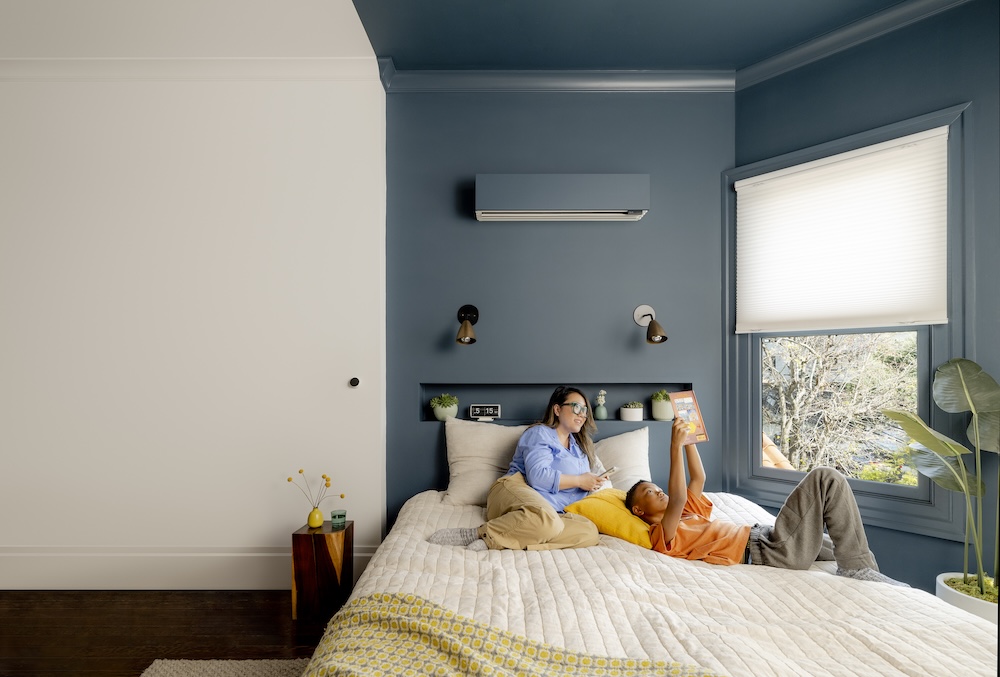
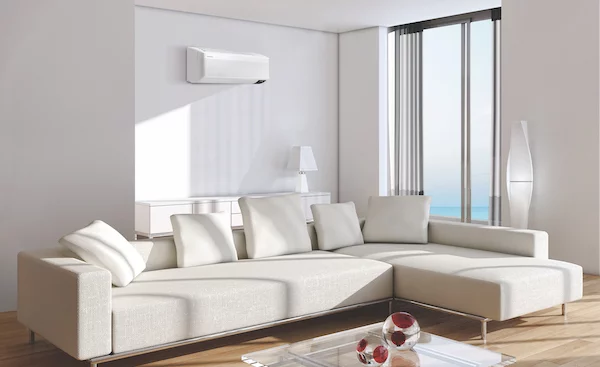
Mini Ductless Heat Pumps – While these systems don’t use central ductwork, they can still improve air quality in larger spaces by incorporating advanced filters within each indoor unit.
-
Add-On UV Lights – Installing UV germicidal lights in the system can help neutralize airborne bacteria, mold spores, and certain viruses before they reach your living spaces.
-
Humidity Control – Many modern heat pumps can integrate humidity management, reducing mold growth and creating a healthier indoor environment.
These features make heat pumps a versatile comfort solution that not only heats and cools efficiently but also supports year-round air purification.
Ready to Breathe Cleaner Air Year-Round?
At Coastal Heat Pumps we go beyond heating and cooling, we help you create a healthier home environment. Our team offers a range of air quality add-ons for both ducted and ductless systems, including:
-
UV germicidal lights to neutralize airborne bacteria, mold, and viruses
-
High-efficiency filters to trap dust, pollen, and pet dander
-
Whole-home air purification systems for continuous clean air
-
Humidity control solutions to prevent mold growth and keep your air comfortable
Whether you’re looking to upgrade your current heat pump or integrate advanced air purification into a new installation, our experts can design a system that meets your comfort, health, and efficiency goals.
Book a free in-home estimate today and let us help you breathe easier.
Frequently Asked Questions
Why is indoor air quality important?
Good indoor air quality helps reduce allergens, dust, mold, and airborne pollutants, creating a healthier and more comfortable living environment while supporting respiratory health.
Can a heat pump improve indoor air quality?
Yes. Many modern heat pumps include advanced filtration systems that help remove dust, pollen, pet dander, and other airborne particles while providing consistent airflow throughout your home.
How often should I replace my HVAC air filter?
Most air filters should be checked monthly and replaced every one to three months, depending on the filter type, household conditions, and whether you have pets or allergies.
What are the most common causes of poor indoor air quality?
Dust, pet dander, mold, pollen, volatile organic compounds (VOCs), excess humidity, and inadequate ventilation are among the most common contributors to poor indoor air quality.
What are some easy ways to improve indoor air quality at home?
Regularly replace air filters, schedule HVAC maintenance, control indoor humidity, improve ventilation, keep your home clean, and consider installing an air purification system or a high-efficiency heat pump with advanced filtration.