





Heat Exchanger vs. Heat Pump: What’s the Difference?
If you’ve been researching home comfort systems, you’ve probably come across the terms heat exchanger, heat recovery ventilator (HRV), and heat pump. While they may sound similar, each plays a different role in your home’s comfort, efficiency, and indoor air quality.
Understanding the difference can help you choose the right system—or combination of systems—for your home.
What Is a Heat Exchanger?
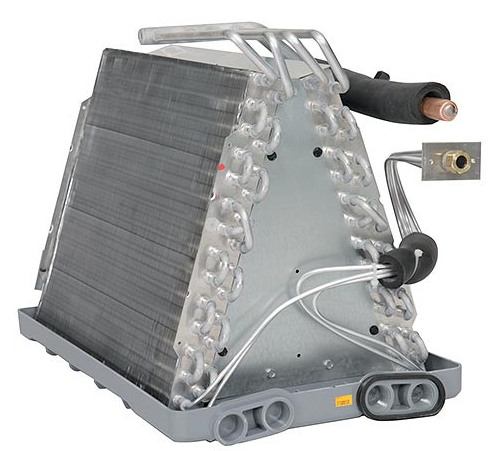
A heat exchanger is any device that transfers heat from one substance to another without the two mixing. In home ventilation, the most common type is a Heat Recovery Ventilator (HRV).
An HRV works by:
-
Pulling stale indoor air out of your home.
-
Bringing fresh outdoor air in.
-
Passing both air streams through a heat exchange core so the warmth from the outgoing air preheats the incoming air in winter (or helps cool it in summer).
This process refreshes your indoor air without wasting the energy you’ve already used to heat or cool your home.
Learn more about HRVs on our Heat Recovery Ventilator page.
What Is a Heat Pump?
A heat pump is a year-round heating and cooling system that moves heat rather than generating it:
-
In heating mode, it extracts heat from the outside air (or the ground) and transfers it indoors.
-
In cooling mode, it reverses the process, removing heat from inside your home and releasing it outdoors.
Modern heat pumps can work efficiently even in cold climates like Vancouver Island. They can also be paired with advanced air purification features such as high-efficiency filters and UV air purification to improve indoor air quality.
Discover more about how heat pumps work.
HRV vs. Heat Pump — Key Differences
| Feature | Heat Recovery Ventilator (HRV) | Heat Pump |
|---|---|---|
| Primary Function | Brings in fresh air and removes stale air while recovering heat | Heats and cools your home |
| Energy Use | Saves energy by transferring heat between air streams | Saves energy by moving heat instead of creating it |
| Air Quality Impact | Significantly improves indoor air quality | Can integrate air purification for whole-home filtration |
| Best For | Tight, well-sealed homes that need fresh air circulation | Homes that need efficient heating and cooling year-round |
Can They Work Together?
Absolutely. In fact, pairing an HRV with a heat pump can give you:
-
Consistent Comfort – even temperatures year-round.
-
Cleaner Air – fresh air circulation plus purification options.
-
Energy Efficiency – reduced heating and cooling costs.
In larger homes with ducted heat pumps, HRVs can connect directly to the ductwork to distribute fresh air throughout the home. For smaller spaces or homes with ductless mini-splits, standalone HRVs can serve targeted areas.
Coastal Heat Pumps Can Help
At Coastal Heat Pumps, our goal is to make your home as comfortable, efficient, and healthy as possible—year-round. We specialize in energy-efficient heat pump installations, but we also help homeowners boost indoor air quality with ventilation upgrades like HRVs, high-efficiency filtration, and UV air purification systems.
Whether you want the steady comfort of a heat pump, the fresh air benefits of an HRV, or a combination of both, we’ll help you choose the right system for your home, budget, and lifestyle.
Let’s find the perfect setup for your space so you can enjoy clean, fresh air and lower energy bills in every season.
???? Book your free estimate today and start breathing easier at home.