


Summary
Choosing the perfect heat pump for your home involves more than picking a brand; it’s about matching the right system to your climate, home size, and comfort goals. This Coastal Heat Pumps blog explains different heat pump types (ducted, ductless, dual-fuel), why climate and proper sizing matter, and how professional heat load calculations ensure efficiency and longevity. With the right choice, you’ll enjoy year-round comfort, lower energy costs, and a system built for your Vancouver Island home.
How Do I Choose the Perfect Heat Pump for My Home?
Heat pumps are the wave of the future. In the right conditions, they can produce up to three times as much heating and cooling energy as they consume in electricity. According to the International Energy Agency (IEA), widespread heat pump deployment by 2030 could reduce global CO2 emissions by half a gigatonne. Heat pumps offer reliable temperature control, ongoing humidity regulation, and quiet operation. With internal reversing valves that automatically switch their functioning from heating to cooling, they are a convenient, all-in-one solution for year-round climate control. But which heat pump type is best for your home? Read on to find out.
What are the Different Heat Pump Types?
Heat pumps regulate indoor temperatures by transferring heat. In the summer, they move the indoor heat outside, and in winter, they move outside heat indoors. There are three primary heat pump types, and they differ in how they source heat and distribute it.
Ducted Air-Source Heat Pumps
Ducted air-source heat pumps have indoor air handlers and outdoor condensers. As with air conditioners, heat pump condensers are mounted in back or side yards on concrete or composite pads. Heat pump condensers are typically smaller than central AC condensers and require at least 2 feet of clearance on all sides to allow for proper airflow. It is important to have sufficient outdoor space to install a ducted air-source heat pump.
In winter, air-source heat pumps extract heat from the outdoor air. Even low-cost, entry-level air-source heat pumps can continue to source heat from outdoor air when temperatures fall as low as -10 degrees Celsius. However, if temperatures dip much lower, the efficiency of entry-level heat pumps declines, and the system won’t be able to keep up. In frosty conditions, these systems could ice over and stop producing heat altogether. The key to avoiding this problem is finding a heat pump that’s right for your local climate.
With a ducted heat pump, you’ll need functional HVAC air ducts for air distribution. In most homes, new and old, ductwork can be added to attics and crawlspaces.
Ductless Air-Source Heat Pumps
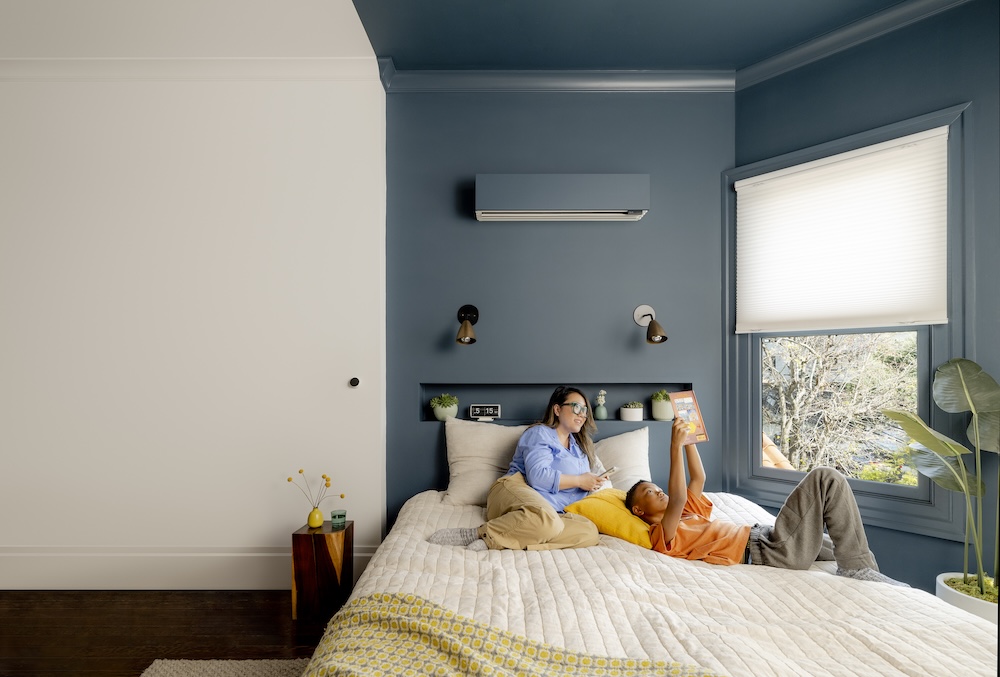
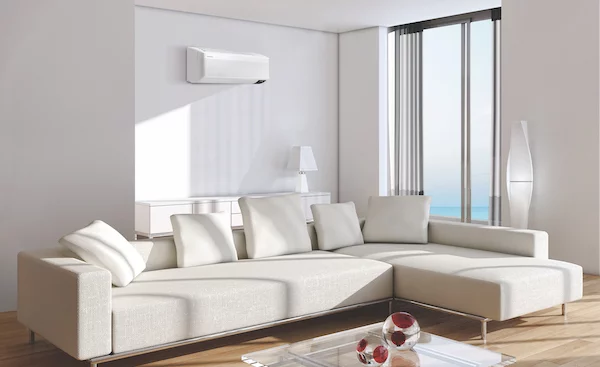
With a ductless mini-split heat pump, you can install a wall head in each primary room, dividing your home into multiple comfort zones. A single outdoor unit can support up to five wall heads, which allows for five separate zones. Each zone has its own wall head with a built-in temperature sensor, so everyone in your household can adjust the temperature in their immediate area to their liking.
Ductless heat pumps:
- Eliminate the need to heat or cool empty rooms
- Provide customized climate-control
Best of all, even if you already have a central HVAC system, you can install a ductless mini-split to heat and cool spaces that aren’t adequately serviced, including:
- Garden rooms
- Finished basements
- Workshops
- Garages
- Attic bedrooms
Much like ducted air-source heat pumps, these appliances provide reliable, year-round climate control.
Dual-Fuel Heat Pumps
Dual-fuel heat pumps are also an excellent choice for cold-weather conditions. These systems pair air-source heat pumps with natural gas furnaces. When temperatures fall below freezing, dual-fuel heat pumps switch to furnace operation. In fact, throughout winter, they constantly toggle between the two equipment types as needed for optimum efficiency.
When the outside weather is at its coldest, some homeowners prefer the higher heat output of natural gas furnaces to the steady, more radiant heat of heat pumps. Gas furnaces produce heat as high as 60 degrees Celsius, while heat pumps produce heat at about 32.2 degrees Celsius. In our local Vancouver Island climate, dual-fuel systems are rarely used due to the mild winter temperatures.
Consider Climate: Local Weather and Heat Pump Limitations
Winter temperatures in Victoria and Sidney, BC, remain warm enough to accommodate both mid-level and entry-level air-source heat pumps. However, if an especially cold front rolls in, you might want the extra assurance a high-performance cold-weather heat pump provides. Cold-climate heat pumps can continue to operate at efficiency levels of 100% or higher even when temperatures dip well below freezing.
What to Know About Heat Pump Sizing
Heat pump sizing is just as important as furnace and AC sizing. When you have a properly sized system, it will ensure optimal efficiency and help maintain the longevity of your heat pump.
If you purchase a heat pump that’s too large for its intended service area, it will cycle on and off too quickly, which wastes electricity. When a system is oversized, it does not have enough time to effectively remove moisture from the air in cooling mode. Undersized heat pumps run longer-than-normal heating and cooling cycles and cannot maintain a consistent indoor temperature during extreme outdoor temperatures.
With properly sized equipment, your heat pump will run optimally, keeping you comfortable for years to come!
Why the Heat Load Calculation is so Important
Heat Load Calculation is generally used to size heat pumps for homes. This calculation accounts for far more than building sizes. It also accounts for:
- Building layouts
- Insulation amounts
- Window/skylight sizes and locations
- Household Size
- Building materials
- Shade
- Etc.
Installation Costs: Which Heat Pump Types Is Most Expensive?
The costs of installing a heat pump vary by brand and depend on the layouts and nuances of individual homes. Ducted air-source heat pumps can cost between $12,000 and $30,000, depending on the complexity of the installation and whether ducting is required. The average cost of a ductless heat pump is between $6,000 and $18,000, depending on the size of the home and the number of comfort zones desired. With a ductless heat pump, people living in homes without ducting can sidestep several thousand dollars in ductwork retrofitting expenses.
Heat Pump Maintenance
If used for year-round climate control, all heat pumps require professional annual maintenance twice for both indoor air handling units and outdoor condensers. They also require regular air filter changes. However, ductless mini-split heat pumps have air filters in each air handling unit. As such, if you have eight zones throughout your home, you’ll have eight filters to clean and replace.
We Can Help You Find the Right Heat Pump for Your Home!
The best way to find the right heat pump for your home is to consult with an expert like Coastal Heat Pumps, which will design one for your home. We stock an extensive selection of high-quality, feature-rich heat pumps. We also install them to the manufacturer’s specifications and provide ongoing maintenance and repairs. Contact Coastal Heat Pumps today to book an in-home estimate!
Frequently Asked Questions
What types of heat pumps are available?
There are mainly ducted air-source heat pumps, ductless mini-splits, and dual-fuel heat pumps — each suited to different home systems and comfort needs.
Why is climate an important factor in choosing a heat pump?
Heat pump performance can vary with temperature. In milder coastal climates like Victoria, most systems perform well, but cold-climate models may be better if you need heating below freezing.
How do I know what size heat pump I need?
A professional heat load calculation considers home size, insulation, layout, and more to ensure your unit is sized for comfort and efficiency.
Can I install a heat pump if my home already has HVAC ductwork?
Yes, ducted heat pumps can connect to existing ducts. Alternatively, ductless systems work well in homes without ductwork or in rooms needing separate climate control.
Will it cost more to install the right heat pump?
Costs vary by system type and installation complexity, but choosing the appropriately sized and climate-matched heat pump maximizes energy savings and long-term comfort.